
Events Calendar

01 January 1970

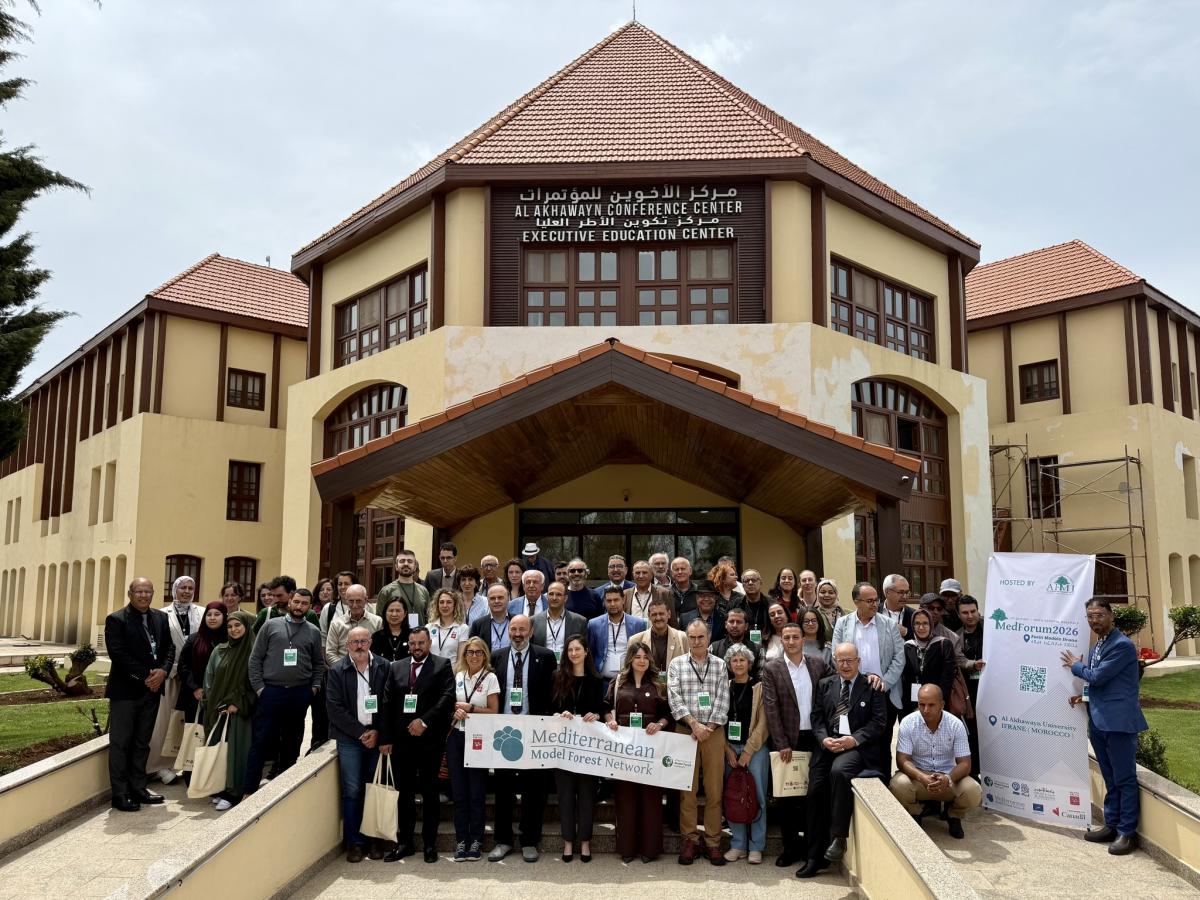
MedForum 2026: konkretni koraci za budućnost mediteranskih modelnih šuma

MedForum je godišnje okupljanje Mediteranske mreže modelnih šuma koje služi kao platforma za razmjenu znanja, jačanje suradnje i razvoj zajedničkih inicijativa u području održivog upravljanja šumama i krajolicima.

Revitalizacija šuma kao revitalizacija zajednice: priča Modelne šume Istra

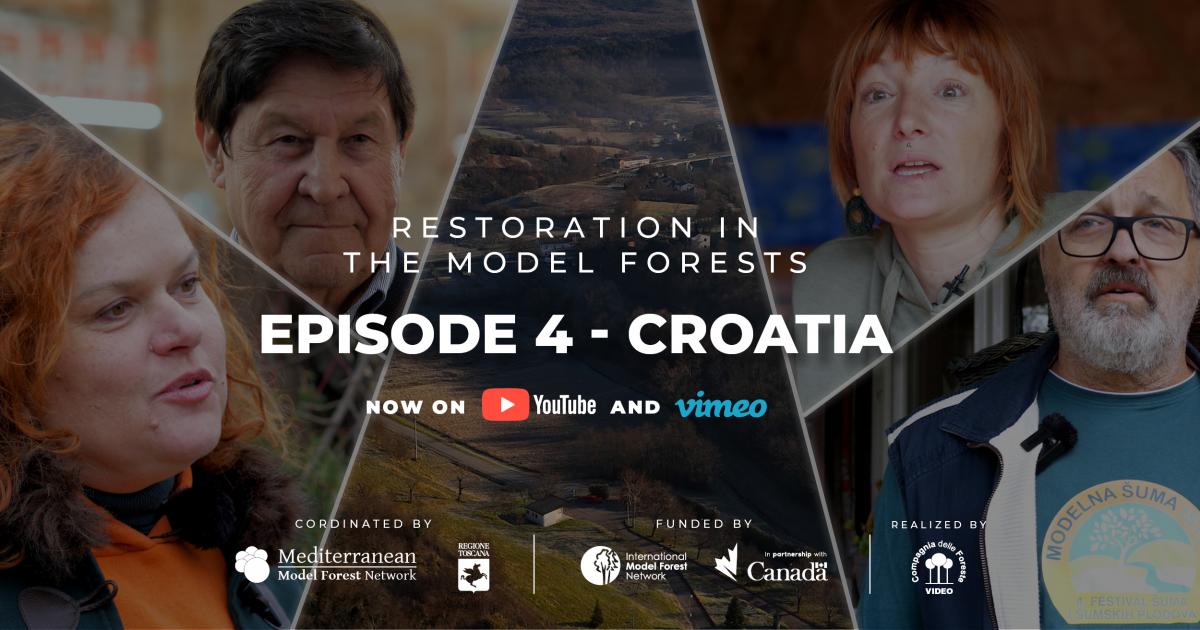
Modelna šuma Istra sudjeluje u međunarodnoj dokumentarnoj seriji „Restoration in the Model Forests“ („Revitalizacija šuma kroz modelne šume“), koja kroz pet epizoda donosi priče iz različitih mediteranskih zemalja i prikazuje kako pristup modelnih šuma doprinosi održivosti, kvalitetnijem upravljanju i obnovi krajolika.

Završno događanje projekta DigiMedFor

Nakon tri godine intenzivne suradnje, istraživanja i razvoja inovativnih digitalnih rješenja, projekt DigiMedFor približava se završetku. Tim povodom organizira se završno događanje na kojem će partneri projekta predstaviti ključne rezultate, razvijene digitalne alate i iskustva stečena tijekom provedbe projekta.

Događanje će okupiti projektne partnere, stručnjake iz područja šumarstva, donositelje politika, istraživače i druge dionike zainteresirane za održivo upravljanje šumama i digitalne inovacije u šumarskom sektoru.

Projekt DigiMedFor – Digital tools and technology systems for the sustainable management of Mediterranean forest resources usmjeren je na razvoj i primjenu digitalnih alata koji podržavaju održivo upravljanje šumskim resursima u mediteranskoj regiji.

U okviru projekta razvijaju se i testiraju različiti digitalni alati i platforme, uključujući DigiMedFor platformu znanja (Forest Knowledge Platform), sustav za sljedivost drva (DTPS – Data Traceability Platform System), virtualni sustav za podršku odlučivanju u šumarstvu (VFDSS – Virtual Forest Decision Support System) te mobilne aplikacije za digitalnu inventarizaciju šuma i procjenu drvnih sortimenata, poput aplikacije Trestima. Projekt također uključuje metode za procjenu usluga ekosustava, poput sekvestracije ugljika, kao i digitalne sustave za praćenje drva temeljene na RFID oznakama i fotografskom praćenju (Nemus i Trucker aplikacije).

Projekt također uključuje testiranje tehnologija daljinskog prikupljanja podataka, poput dronova i autonomnih sustava za prikupljanje podataka u šumama (četveronožnih robota), koji omogućuju detaljnije praćenje stanja šumskih ekosustava.

Projekt provodi međunarodni konzorcij koji okuplja istraživačke institucije, šumarske organizacije, industriju te mala i srednja poduzeća iz više europskih i mediteranskih zemalja, čime se osigurava multidisciplinarni pristup razvoju inovativnih rješenja za šumarski sektor.

U projektu Modelna šuma Istra sudjeluje kao replikacijsko područje na kojem se testiraju razvijena digitalna rješenja. Kroz projektne aktivnosti Modelna šuma Istra doprinosi prikupljanjem podataka i iskustava karakterističnih za upravljanje šumama u mediteranskim uvjetima.

Sudjelovanjem u projektu MŠ Istra doprinosi unaprjeđenju digitalnih alata razvijenih u okviru projekta te razmjeni znanja između projektnih partnera i lokalnih dionika uključenih u upravljanje šumama.

Modelna šuma Istra nastavlja jačati podršku malim šumoposjednicima kroz drugi SMURF poziv

SMURF (Sustainable Management of Small Forest Holdings in Europe) je europski projekt financiran iz programa Horizon Europe koji se fokusira na jačanje malih šumoposjednika, razmjenu znanja i razvoj održivih modela gospodarenja šumama. Projekt okuplja 26 partnera iz više europskih zemalja s ciljem povećanja otpornosti šuma te boljeg povezivanja prakse, znanosti i politika.

Sudjelovali smo na projektnom sastanku za pilot i replikacijska područja DigiMedFor projekta

Modelna šuma Istra je kao projektni patner sudjelovala na jednodnevnom sastanku EU HORIZON projekta DigiMedFor – Transforming Mediterranean Forestry through Digital Innovation, koji je održan 12. prosinca 2025. godine u Napulju, Italija.

Sastanak je okupio projektne partnere, voditelje radnih paketa te koordinatore pilot i replikacijskih područja, među kojima i Modelnu šumu Istra u ulozi replikacijskog područja.

Festival šuma i šumskih plodova održan u zimskom ruhu

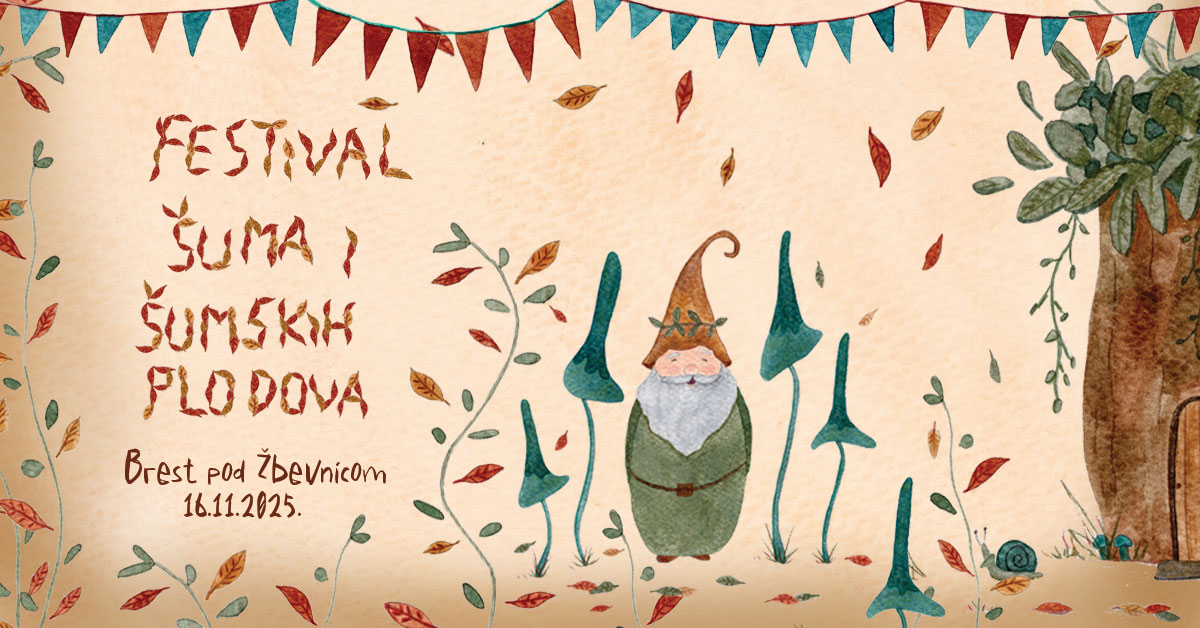
U organizaciji Modelne šume Istra i Općine Lanišće održana je 23. studenoga 2025. godine četvrta edicija Festivala šuma i šumskih plodova koji je slikovito mjesto Brest pod Žbevnicom pretvorio u središte šumske kreativnosti, znanja i zajedništva.

POZIV na webinar - Inovacije u inventarizaciji i praćenju stanja šuma

Modelna šuma Istra vas poziva na on-line seminar - Inovacije u inventarizaciji i praćenju stanja šuma 

"Forest Knowledge Boxes" - everything about forests in one place

As a result of the cooperation between the Model Forest Istria and FSC International (Adria Balkan office),

"FOREST KNOWLEDGE BOXES" - 5 booklets with different topics about forests:
- What is a forest?
- The diversity of forests and trees
- The magnificent benefits of forests
- Forest fruits and resources
- Let's save our forests!

"Knowledge Boxes" offer us content about forests in a very interactive way; through practice, research, the Did You Know? section, through rich media content and additional sources.

Modelna šuma Istra Vas poziva na Festival šuma i šumskih plodova 23.11.2025.

Pozivamo vas na četvrto izdanje Festivala šuma i šumskih plodova koji će barem na jedan dan oživjeti tiha i mirna prostranstva Ćićarije.
U Brestu pod Žbevnicom, 23. studenoga 2025., očekuje vas dan ispunjen šumskim radionicama, predavanjima, rekreativnim, zabavnim i umjetničkim sadržajima za djecu, odrasle i obitelji.

Mreža LAURUS – platforma za male šumoposjednike Europe

Be wise, Be innovative, Be brave , BE LAURUS ( Budi pametan, budi inovativan, budi hrabar – Budi Laurus) slogan je nove platforme Laurus.

Provedba SMURF projekta na području Modelne šume

Udruga Modelna šuma Istra partner je EU projekta SMURF – Sustainable Management models and value chains for small forests, koji je financiran kroz program Horizon Europe.

Modelna šuma Istra kao projektni partner sudjeluje u prikupljanju podataka s terena i analizi stanja privatnih šuma u Istri.

Održano okupljanje na temu „Istra kao bioregija: održivost i identitet“

Modelna šuma Istra je 10. rujna 2025. prisustvovala na okupljanju s temom „Istra kao bioregija: održivost i identitet“ kao dio međunarodne online konferencije r3.0 na temu bioregionalizma.

Bioregija je zemljopisno područje određeno ne političkim granicama, već ekološkim sustavima i lokalnom kulturom stanovnika. Glagolski oblik te riječi, bioregioniranje, odnosi se na način života ljudi u skladu s prirodom, a to je cjelovitije od uske uloge potrošača u ekonomiji, odnosno građana ili glasača u državi.

Godišnji sastanak projekta DigiMedFor održan u Grčkoj: fokus na digitalnu budućnost šumarstva

Globalni forum modelnih šuma u Kanadi okupio je 60 modelnih šuma svijeta

„Mi, autohtoni narodi i vi koji nastojite održivo upravljati šumskim zemljištima imamo nešto zajedničko u srcima“, rekao je Richard Lalande, također poznat kao Poglavica Lovac na snove, tradicionalni poglavica autohtonih naroda Algonquian iz rijeke Tay.

„Imamo jedan cilj i svrhu, a to je ostaviti ovu prekrasnu Majku Zemlju boljim mjestom nego što smo je zatekli. Mislim da je to naša zajednička dužnost i odgovornost.“

Sudjelovali smo na prvoj EU konferenciji malih šumoposjednika u Rimu


Objavljen interaktivni e-priručnik za šumske pedagoge


Modelna šuma Istra je zajedno s partnerima iz Erasmus+ projekta „U ŠUMI KAO U UČIONICI“ kreirala istoimeni priručnik kojem je svrha edukacija edukatora iz šumske pedagogije i svih onih koji ovu inovativnu praksu žele primijeniti u svom radu s djecom. Priručnik možete besplatno preuzeti na LINKU.

„Kutije znanja o šumama“- sve o šumama na jednom mjestu

Kao plod suradnje Modelne šume Istra i FSC International (ureda Adria Balkan) nastale su

"KUTIJE ZNANJA O ŠUMAMA" – 5 knjižica s različitim temama o šumama:
- Što je to šuma?
- Raznolikost šuma i stabala
- Veličanstvene dobrobiti od šuma
- Šumski plodovi i resursi
- Sačuvajmo naše šume!

"Kutije znanja" nam nude sadržaje o šumama na jedan vrlo interaktivan način; kroz praksu, istraživanje, rubriku Jeste li znali?, kroz bogate medijske sadržaje i dodatne izvore.

"USPORI ŽIVOT" – cjelodnevno događanje s radionicama


Usporite život i pridružite nam se na cjelodnevnom događanju na otvorenom, u slikovitom Brestu pod Učkom (Općina Lupoglav).
Za vas smo pripremili šest zanimljivih radionica koje promoviraju ideju „uspori život- slow living“ koje će vas potaknuti na "sporiji“, mudriji život, na produbljivanje odnosa prema prirodnoj i kulturnoj baštini te na kvalitetnije međuljudske odnose.

Posjet Modelne šume „Valle dell'Aterno“ iz Italije

Posljednji vikend u ožujku u posjet Modelnoj šumi Istra došli su članovi Modelne šume "Valle dell'Aterno" iz regije Abruzzo, Italija.

Proveli smo nezaboravna tri dana u obilasku našeg područja i upoznavanju s brojnim aktivnostima koje provode članovi udruge i predstavnici teritorija koji se bave šumskim resursima kao što su tartufi i gljive te ruralnom baštinom.
„Valle dell'Aterno“ su tek osnovana modelna šuma koja će upoznavanjem dobrih praksi unutar Mediteranske mreže modelnih šuma potaknuti vlastite inicijative s ciljem održivog razvoja šumskih krajolika.

Završna konferencija projekta Erasmus + „U šumi kao u učionici“

Prijavite se na seminar iz šumske pedagogije ERASMUS+ "U šumi kao u učionici"

Prijavite se na SEMINAR IZ ŠUMSKE PEDAGOGIJE „U šumi kao u učionici“ koji će se održati u utorak 25. ožujka 2025. na edukacijsko – rekreacijskoj stazi Lovrin, u Pazinu u 13 sati.

Seminar je namijenjen odgajateljima, nastavnicima i edukatorima koji rade s djecom u prirodi. Organiziramo ga u okviru našeg projekta Erasmus+ "U šumi kao u učionici" .    

Modelna šuma Istra ulazi u projekt SMURF

S ponosom objavljujemo da je Modelna šuma Istra odabrana za sudjelovanje u projektu SMURF (Sustainable Models for Small Forest Holdings), inicijativi programa Horizon Europe, koja ima za cilj unaprijediti održivo gospodarenje malim šumskim posjedima diljem Europe.

Kutije znanja o šumama za srednje škole

Od šumskih plodova do ruralne baštine: Festival koji je spojio prirodu i tradiciju


Popularno treće izdanje Festivala šume i šumskih proizvoda održano je u nedjelju 17. studenoga na području Istarske modelne šume. U zajedničkoj organizaciji Istarske modelne šume i Općine Lanišće, uz financiranje Tajništva Mreže modelnih šuma Mediterana, festival je održan u zabačenom planinskom selu Brest, ispod planine Zbevnice u Ćićariji.

Online prijave za radionice za Festival šume i šumskih plodova 2024

ONLINE PRIJAVE: https://linktr.ee/festivalsuma 

Prijave su moguće do 15.11. te je broj prjava ograničen. Ukoliko su sva mjesta za online prijave popunjena, ne brinite, prijaviti se možete i na info pultu (ispred šatora) na sam dan festivala.
Kompletan program -> https://modelnasuma.hr/hr/event/festival-suma-i-sumskih-plodova-17112024

Vidimo se!

Festival šuma i šumskih plodova 17.11.2024.

Pozivamo vas na treće izdanje Festivala šuma i šumskih plodova koji na šumska prostranstva Bresta ( pod Žbevnicom ) donosi brojne šumske radionice, predavanja, rekreativne, zabavne i umjetničke sadržaje za djecu, odrasle i obitelji.

Povežimo se sa sobom s drugima i sa šumom!

PROGRAM FESTIVALA

Posjetili smo Liku u sklopu našeg projekta Erasmus+ "U šumi kao u učionici"

Godišnji sastanak projekta DigiMedFor u Barceloni


U Istri održan dvodnevni sastanak Erasmus+ projekta " U šumi kao u učionici"

U sklopu sastanka održan je Seminar iz šumske pedagogije za odgajatelje i nastavnike iz Istre 

Seminar je okupio 50 ljudi koji su učili u teoriji i praksi kako primjeniti šumsku pedagogiju u svom radu. Organizirali smo ga u suradnji s Osnovnom školom "Vazmoslav Gržalja" Buzet.

Projektni sastanak Edukacija budućih edukatora šumske pedagogije u Istri

10. obljetnica Modelne šume Istra!


Prošli petak, 03.05.2024, smo proslavili ljubilarnu 10. obljetnicu Modelne šume Istra

Dvodnevna konferencija "INNOVAForONE Inovacije u šumarstvu i sinergije između EU mreža"

Erasmus+ "U šumi kao u učionici" Ljubljana, 27. i 28. 03. 2024.


Naš prvi međunarodni sastanak iz projekta Erasmus+ ; " Razmjena dobrih praksi iz šumske pedagogije" - održao se je u Ljubljani, a domaćini su nam bili Slovenski šumarski institut.

Iz tiska izašao priručnik "Šumska pedagogija - za djecu novog doba"


Festival šuma i šumskih plodova - 19.11.2023.

Festivalom šuma i šumskih plodova promoviramo sve dobrobiti koje nam šume pružaju; ekološke, rekreativne, zdravstvene - što ćete doživjeti kroz naše vođene šetnje, predavanja, izložbe te kroz razne edukativne i kreativne radionice.

Croatian

PROGRAM FESTIVALA ŠUMA 2023

Nedjelja 19. studenog - Brest pod Žbevnicom / Općina Lanišće

LOKACIJA  ŠKOLA

Digitalni alati i tehnološki sustavi za održivo gospodarenje šumskim resursima Sredozemlja

Modelna šuma Istra započela je raditi na implementaciji projekta DigiMedFor iz EU programa HORIZON2020 u kojem sudjeluje s brojnim partnerima;  Modelna šuma Montagne Fiorentine, Modelna šuma Provansa, CESEFOR, (Španjolska) Šumarski institut Marmara, Asociacion para la certificacion Espanola forestes,Institut national de recherches en genie rural, Ethniko kentro erevnas kai technologikis anapty, Asociacion para la certificacion Espanola forestes,Trestima Oy i drugi dok je vodeći partner 

Kao rezultat projekta "Suradnja i edukacija ključ su održivog razvoja" nastao priručnik za edukaciju o šumama i održivom razvoju

Što je održivi razvoj?

To je razvoj koji odgovara na potrebe  ljudi danas, i koji će omogućiti budućim generacijama da zadovolje svoje potrebe.

U centru održivog razvoja nalaze se :

Društvo - odlučni smo eliminirati siromaštvo i glad

Naša planeta– želimo zaštititi Zemlju od pogoršanja stanja okoliša

Prosperitet – želimo svim ljudima pružiti dostojan i ispunjen život

Croatian

Ove nedjelje na Festivalu šuma; šumski sajam, radionice i gastro show

Prvi „Festival šuma i šumskih plodova“ dogodit će se na Ćićariji, točnije u Brgudcu ove nedjelje 13. studenog. Zamišljen je kao cjelodnevni program za sve generacije koji počinje u 10 i traje do 19 sati.

U šatoru ispred spomen-doma Brgudac posjetitelji će na pravom šumskom sajmu moći razgledavati i kupovati proizvode iz šume; nakit i ukrase, umjetničke predmete, proizvode od gljiva, med i kolače, predmete od drva i vune, te šumsku kozmetiku.

Festival šuma i šumskih plodova u Brgudcu

Udruga Modelna šuma Istra, Općina Lanišće i udruga “Babucera” iz Brguca po prvi puta organiziraju “Festival šuma i šusmkih plodova” na Ćićariji koji je zamišljen kao inovativno i raznoliko događanje za sve generacije.

Njime se žele promovirati sve dobrobiti od šuma na jedan novi način; kroz šumske radionice za djecu i odrasle, predavanja, umjetnost u šumi te naravno šumsku gastronomiju od šumskog bilja i plodova. Festival ima svoj sajamski dio, predavanja i radionice u šumi. 

Modelna šuma u nedjelju na TuberFestu

U nedjelju 23. listopada gostujemo na TuberFestu u Livadama s našim šumskim sajmom i radionicama s kojima trajemo od 12 do 18 sati. Na sajmu će se naši članovi i suradnici predstaviti svojim proizvodima iz šume pa smo pripremili prodajnu izložbu šumskih ukrasa i nakita, proizvoda od drva i vune, umjetničkih slika, prirodne kozmetike, ali i šumske hrane kao što su med i gljive.

Dok će ovaj šaroliki sajam biti u šatoru, u obližnjim šumama održavat ćemo radionice iz šumske pedagogije za djecu, a za odrasle radionice prepoznavanja gljiva i izrade prirodne kozmetike.

Kongres šumske terapije


Prvi hrvatski kongres o šumskoj terapiji u organizaciji Snaga šume - Forest Power Croatia

"Šumski wellness - instrument poboljšanja zdravlja i inovativna turistička ponuda"

HORIZON 2020 project ONEFOREST: A MULTI-CRITERIA DECISION SUPPORT SYSTEM FOR A COMMON FOREST MANAGEMENT

Mediteranska mreža Modelnih šuma potpisala je Ugovor za implementaciju projekta iz EU programa HORIZON 2020 Oneforest: a multi-criteria decision support system for a common forest management to strengthen forest resilience, harmonise stakeholder interests and ensure sustainable wood flows.

Stručno putovanje u Portugal i razmjena iskustva o održivom upravljanju resursima

Od 9. do 11. ožujka 2022. predstavnici Modelne šume Istra sudjelovali su na sastanku projekta Erasmus+ u portugalskom gradu Tomar i okolnim područjima. Organizatori sastanka su ASPEA - mreža za okolišnu edukaciju iz Portugala koji su organizirali sadržajna 3 dana programa. U sklopu sastanka održana je plenarna sjednica na kojoj su se predstavile Modelne šume mediteranske mreže koje su organizacijama koje se bave upravljanjem resursima u Portugalu prenijele svoja iskustva i upoznali ih s konceptom kao i  principima i atributima modelne šume.

Projekt suradnje Modelne šume Istra, Modelne šume Provansa i poljskih partnera

U sklopu našeg Erasmus + "Cooperation and education for sustainable development" projekta u studenom 2021. smo posjetili Poljsku regiju Mazurska koja je bogata jezerima i staništima divljih životinja, a poznati su po održivim praksama u gospodarenju šumama i participativnom upravljanju resursima.

Šumska pedagogija u Istri- edukacija odgajatelja na području Modelne šume

Modelna šuma već nekoliko godina provodi projekt Šumska pedagogija u Istri. Ove godine educiramo o šumskoj pedagogiji odgajatelje dječjih vrtića s područja Modelne šume i šire.

Šumska pedagogija u Istri _ edukacije odgajatelja na području Modelne šume

Šumska pedagogija u Istri _ edukacije odgajatelja na području Modelne šume

Modelna šuma Istra u sklopu Erasmus+ projekta u Toscani

Modelna šuma Istra sudjelovala je u sklopu Erasmus + projekta "Education for sustainable development in Mediterranean Model Forest" u Toscani od 13. do 15. listopada na međunarodnom sastanku s partnerima iz Modelne šume Toscana, Modelne šume Provansa, Modelne šume Palencia, GRAIN i ASPEA mrežama za edukaciju o održivom razvoju, Općinom Voio iz Grčke te CESEFOR fondacijom iz Španjolske.

Započinjemo s novim projektom ForRoots- izrada šumskih staza kao ekosocijalni krajolik

Nedavno je za financiranje odobren projekt iz programa Erasmus+ „FoRoots - prošećite šumom i otkrijte svoje korijene“ u kojem ćemo na svakom teritoriju modelne šume unutar Mediteranske mreže modelnih šuma (MMFN) (www.medmodelforest.net/en/

Šumska pedagogija u Istri 2021.

Održali smo radionice s odgajateljima iz dječjih vrtića Tar, Višnjan, Buje, Novigrad, Poreč i Pazin u sklopu našeg projekta koja se bavi edukacijom o šumskim ekosustavima.

Novi projekti iz programa Erasmus +

Modelna šuma od 2021. godine provodi dva Erasmus + projekta čiji je cilj razmjena dobrih praksi iz edukacije o održivom razvoju:

Knjigu "Neke gljive sliva rijeke Mirne i još ponešto o prirodi" autora Josipa Šimića - Marina možete kupiti tako da nas kontaktirate na info@modelnasuma.hr HVALA


Slow Food and a Model Forests Webinar

Terra Madre- Salone del Gusto webinar

Terra Madre-Salone del Gusto 2020

Prezentacija knjige o gljivama i on-line forum Mediteranskih modelnih šuma i Slow Food International u NOVIGRADU

Modelna šuma i Slow Food Istra zajedničkim snagama organiziraju lokalno događanje 19. studenog 2020. u Zajednici Talijana u Novigradu, s početkom u 16.00 sati.

Neke gljive sliva rijeke Mirne i još ponešto o prirodi

Udruga je izdala knjigu "Neke gljive sliva rijeke Mirne i još ponešto o prirodi"

„Neke gljive sliva rijeke Mirne i još ponešto o prirodi“ prva je knjiga dugogodišnjeg člana udruge Josipa Šimića-Marina, iskusnog i strastvenog gljivara iz Umaga.

Kampanja " Fotkaj i dijeli " za Svjetski dan šuma


Predavanja iz šumske pedagogije po istarskim školama

Kako bi educirali o dobrobitima šumske pedagogije i predstavili primjere dobre prakse iz susjednih nam zemalja, udruga Modelna šuma održala je nekoliko predavanja za nastavnike, započevši u OŠ Buzet i OŠ Višnjan.

Učenici istih škola imali su priliku isprobati šumsku pedagogiju u praksi i to kroz radionice koje je za njih pripremila šumska pedagoginja Ana Fornažar, nakon čega su radionice održane još u školama u Pazinu, Tinjanu i Sv. Petru u šumi.

Radionice "Priče iz šume"


Šuma je izuzetno zdrava lokacija za učenje jer potiče slušanje, promatranje, socijalne interakcije i ublažava stres.

Šumska pedagogija je disciplina koja povezuje upoznavanje šumskih ekosustava s odgojno - obrazovnim radom u prirodnom okruženju. Najvažnije je kod djece potaknuti pozitivne osjećaje za vrijeme boravka u šumi, koji će ih ponovno vratiti u šumu na način da je prepoznaju kao stanište izuzetne vrijednosti.

Dobrobiti od šumske pedagogije su višestruke:

Edukacija o šumama na Ćićariji


Šumska pedagogija u Finskoj

Šumska pedagogija u Finskoj

Konferencija šumske pedagogije “Zajedno – kako uključiti djecu i mlade u procese učenja, odlučivanja i planiranja”


21.3. Međunarodni dan šuma: Šume i održivi gradovi

Generalna skupština Ujedinjenih naroda proglasila je 21. ožujka Međunarodni dan šuma (IDF) 2012. Dan slavi i podiže svijest o važnosti svih vrsta šuma. Na svaki Međunarodni dan šuma, zemlje se potiču da poduzimaju lokalne, nacionalne i međunarodne napore da organiziraju aktivnosti koje uključuju šume i drveće, kao što su kampanje sadnje stabala. Temu svakog Međunarodnog dana šuma bira Kolaborativno partnerstvo za šume.

Planterwald šumska škola_ Berlin

Šumske škole u Berlinu

Krajem listopada 2017. predstavnica udruge Modelna šuma posjetila je šumske škole u Berlinu, domaćini su joj bili šumski pedagozi iz Berlina, Bettina Foerster-Baldenius, Andreas Hasse and Elke Sobota-Baisch koji su zaposleni u šumskim školama.

Grad Berlin ima 18 % šuma, na području grada postoji 13 Garten Arbeits Schulen- škola za rad u vrtu i 10 Wald Schulen-šumskih škola.

Croatian

Garten Arbeits Schulen_Škole za rad u vrtu_Berlin

Garten Arbeits Schulen-Berin

Posjet školama za rad u vrtu u Berlinu.Berlin ima 15-tak sličnih inicijativa i škola na svom području.

Garten Arbeits Schulen-Berin

Garten Arbeits Schulen-Berin

Garten Arbeits Schule_Berlin

U listopadu je predstavnica modelne šume posjetila Garten Arbaiten Schule- škole za rad u vrtu. Njih u Berlinu ima 13 i održavaju različite programe u obliku vanškolske nastave; uzgoj voća i povrća, rad na kompostu, paljenje vatre, kuhanje, uzgoj pčela i proizvodnja meda, konzerviranje voća, uzgoj cvijeća i bilja, sušenje čaja, igre u šumi, identificiranje drveća i  šumskih vrsta.

Garten Arbeits Schule, Berlin

Tijekom listopada 2017. predstavnica udruge posjetila je Berlin i inicijative vezane za pedagogiju u prirodi; kao što su Garten Arbeits Schule- škola za rad u vrtu i Waldschule "Plaenterwald"- šumska škola. Domićini su bili šumski pedagozi Bettina Foerster-Baldenius , Andreas Haase, Elke Sobota-Baisch koji su zaposleni u šumskim školama u Berlinu.

U Berlinu ima 18 % površina pod šumom.Trenutno se13 škola za rad u vrtu i 9 šumskih škola nalazi na području grada Berlina

Šumska pedagogija-avantura između komunikacije i edukacije

Konferencija pod nazivom „Šumska pedagogija - avantura između komunikacije i edukacije“ u listopadu 2017. organizirana je u šumovitom mjestu Milovy. Konferencija je kao i svaki put do sad bila zanimljivo predstavljanje šumskih škola i aktivnosti koje šumski pedagozi iz Europe provode u svojim zemljama, ali i prilika da se debatira i umrežava na području šumske pedagogije. Okupila je 130 šumara i šumskih pedagoga iz raznih krajeva Europe. Na konferenciji ovoj 12-toj po redu konferenciji održano je 14 radionica, predstavljeno je 7 aktivnosti i 4 projekta.

5. tjedan Mediteranskih šuma u Agadiru, Maroko


Tjedan Mediteranskih šuma je zamišljen kao zajednička regionalna platforma za suradnju oko mediteranskih šuma, s ciljem poboljšanja dijaloga između mediteranske šumske istraživačke zajednice, kreatora politike i relevantnih dionika. Događaj ima veliki utjecaj i komunicira s međunarodnom zajednicom i društvom u cjelini prenoseći  važnost i izazove koje mediteranske šume danas imaju.

International day of forest-Međunarodni dan šuma

Sudjeluj u Video natječaju "Kako te šume energiziraju"?

Kako te šume energiziraju!

MEĐUNARODNI DAN ŠUMA

International day of forest 2017

ŠUMA i ENERGIJA- 21.3. svjetski dan šuma

Skupština Ujedinjenih naroda proglasila je 2012. godine  21. ožujka danom koji će se u cijelom svijetu obilježavati kao -  MEĐUNARODNI DAN ŠUMA.

Tog dana slavi se  i podiže svijest o važnosti svih vrsta šuma i potiču se razne zemlje da poduzmu  lokalne, nacionalne i međunarodne akcije za organiziranje djelatnosti oko šuma i drveća.Temu za svaki dosad Međunarodni dan šuma izabralo je Partnersto suradnje za šume. 

Croatian

„Traceability of products in Model Forest River Mirna Basin“ project promotion

Promocija projekta „Sljedivost proizvoda Modelne šume Sliv rijeke Mirne“

SMURF PROJEKT - Održivo upravljanje malim šumskim posjedima u Europi

SMURF (Sustainable Management of Small Forest Holdings in Europe) je europski projekt financiran iz programa Horizon Europe koji se fokusira na jačanje malih šumoposjednika, razmjenu znanja i razvoj održivih modela gospodarenja šumama. Projekt okuplja 26 partnera iz više europskih zemalja s ciljem povećanja otpornosti šuma te boljeg povezivanja prakse, znanosti i politika.

Iz tiska izašao priručnik "Šumska pedagogija - za djecu novog doba"

Modelna šuma Istra objavila je svoj dugo očekivani priručnik „Šumska pedagogija-  za djecu novog doba“ s aktivnostima za roditelje, odgajatelje i edukatore. Priručnik možete besplatno preuzeti na kraju ovog članka, a ako vas zanima tvrda kopija šaljemo ga na upit.

Croatian

From forest fruits to rural heritage: A festival that combined nature and tradition

The popular third edition of the Festival of the Forest and Forest Products took place on Sunday, November 17th in the Model Forest Istria area. Jointly organized by the Model Forest Istria and the Municipality of Lanišće, with funding from the Secretariat of the Mediterranean Model Forest Network, the festival was held in the remote mountain village of Brest, below Mount Žbevnica in Ćićarija.

Annual meeting of the DigiMedFor project held in Greece: focus on the digital future of forestry

SMURF - International project for sustainable management of small private forests

The Model Forest Istra Association is a partner in the EU project SMURF – Sustainable Management models and value chains for small forests, which is funded through the Horizon Europe program.

Istria Model Forest works to improve the condition of private forest holdings within the EU project SMURF

LAURUS Network – a platform for small forest owners in Europe

Be wise, Be innovative, Be brave, BE LAURUS is the slogan of the new Laurus platform.

Laurus Network is a new dedicated initiative designed to support European associations of forest owners by offering innovation and training for forest owners and technical staff. The network is a space for cooperation and exchange of knowledge and a place where forest owners can find answers to questions such as:

Priručnik „U šumi kao u učionici“

Modelna šuma Istra je zajedno s partnerima iz Erasmus+ projekta „U šumi kao u učionici“ kreirala i objavila istoimeni priručnik kojem je svrha edukacija edukatora iz šumske pedagogije i svih onih koji ovu inovativnu praksu žele primijeniti u svom radu s djecom.
Croatian

„Kutije znanja o šumama“- sve o šumama na jednom mjestu

Autor: Modelna šuma Istra
Dizajn: Sacrix
Izdavači: MŠ Istra, FSC Adria Balkan 2025.

Kutije znanja o šumama možete preuzeti na sljedećim linkovima:

Croatian

Slow Living – Uspori život, sačuvaj prirodnu i kulturnu baštinu Sjeverne Istre i Krasa

Modelna šuma Istra je partner u projektu Slow Living koji se provodi kroz Interreg Slovenija – Hrvatska program. Vodeći partner je slovenska organizacija Fair Legacy Hub, projekt je započeo 20. ožujka i traje do 19. listopada 2025. godine.

Međunarodni projekt SMURF za održivo upravljanje malim privatnim šumama

Udruga Modelna šuma Istra partner je EU projekta SMURF – Sustainable Management models and value chains for small forests, koji je financiran kroz program Horizon Europe. U projektu će Modelna šuma Istra sudjelovati 12 mjeseci, sve do ožujka 2026. godine.

Posjet nadzorne komisije za Erasmus+ projekt "U šumi kao u učionici"

U četvrtak, 6. veljače 2025., održan je posjet nadzorne komisije u sklopu Erasmus+ projekta "U šumi kao u učionici". Komisija je pregledala dosadašnje aktivnosti i ocijenila ih kao uspješno provedene, potvrdivši da projekt teče prema planu.

Erasmus+ "U šumi kao u učionici"

Festival šuma i šumskih plodova 2023

Festivalom šuma i šumskih plodova promoviramo sve dobrobiti koje nam šume pružaju; ekološke, rekreativne, zdravstvene - što ćete doživjeti kroz naše vođene šetnje, predavanja, izložbe te kroz razne edukativne i kreativne radionice. Festival organiziramo u selu Brest ( pod Žbevnicom ) na Ćićariji - našem najšumovitijem djelu Istre, a nastaje u sinergiji s lokalnom zajednicom koja je direktno uključena u pripremu i organizaciju manifestacije.

Modelna šuma Istra u sklopu Erasmus+ projekta u Toscani

Modelna šuma Istra sudjelovala je u sklopu Erasmus+ projekta "Education for sustainable development in Mediterranean Model Forest" u Toscani od 13. do 15. listopada na međunarodnom sastanku s partnerima iz Modelne šume Toscana, Modelne šume Provansa, GRAIN i ASPEA mrežom za edukaciju o održivom razvoju.

Mreža Mediteranskih modelnih šuma - Slow Food International On-line Forum u Novigradu

Događaj se organizira u suradnji sa Slow Food Istra (Zajednica Talijana Novigrad) i uključivat će prezentacije, degustacije i pripremu jela od gljiva. Izuzetno smo ponosni što će se u sklopu ovog događaja održati prezentacija knjige «  Neke gljive sliva rijeke Mirne i još ponešto o prirodi » našeg člana Modelne šume Josipa Šimića – Marina, uz promotivnu prodaju knjige i besplatne primjerke za članove udruge.

Terra Madre 2020 - Local event in Novigrad on 19th November 2020

In the framework of the Mediterranean Model Forest Network – Slow Food International on-line FORUM on 19 November 2020 our Model Forest will organize a local event in Novigrad, in cooperation with Slow Food Istria.Objective of the event is strengthening cooperation at the territory of the Model Forest and  promoting Slow Food movement. 

Mushrooms of the River Mirna Basin

We are pleased to inform you that Model Forest River Mirna Basin has issued a book "Mushrooms of the River Mirna Basin" that is a result of the joint effort of the members of the association.
Author of the book is our long-term member Josip Simic Marino, an excellent connoisseur of mushrooms and one of the founders of the Istrian Mycological Association.
The Book is describing and presenting 173  underground and aboveground mushrooms, with instructions about the equipment and how to pick mushrooms.

Neke gljive sliva rijeke Mirne i još ponešto o prirodi

Želimo vas obavijestiti da smo predanim trudom i radom tiskali knjigu „Neke gljive sliva rijeke Mirne i još ponešto o prirodi“  čiji je autor naš dugogodišnji član Josip Šimić-Marino, iskusni i strastveni gljivar.
Knjiga je ispala vrlo ambiciozan projekt i prešla je granice prvobitno postavljenog broja stranica i broja gljiva pa prikazuje i opisuje čak 173 podzemne i nadzemne gljive s opisom morfologije gljiva, staništa, jestivosti i donosi usporedbe sa sličnim gljivama. U knjizi je opisana i gljivarska oprema te kako brati gljive.

Adriatic Model Forest took kit / Priručnik za osnivanje jadranske modelne šume

How to do sustainable, participative landscape management and become a Model Forest landscape

Croatian

Traceability of the products in the MF RMB / Slijedivost proizvoda u modelnoj šumi "Sliv rijeke Mirne"

Croatian

Strategy for sustainable management of truffles / Strategija održivog tartufarstva u Istarskoj županiji

Croatian

Digitalna razglednica za "Šume i bioraznolikost"

Croatian

Kampanja " Fotkaj i dijeli" za Svjetski dan šuma

U subotu 21.

MEDITERRANEAN FOREST WEEK/MEDFORUM 2019 LEBANON, Brummana


SWOT ANALYSIS OF THE MEDITERRANAEN MODEL FOREST NETWORK


Strenghts

The MMNF belongs to a bigger Network: the International Network with a good reputation and track record

Some Staff of the MF Secretariat is still committed on a voluntary basis

We are a multidisciplinary and trustworthy Group

Good relations with and support from big institutions (FAO) and governments (such as Canadian Gov.)

Take advantage of the pull of the "Circular Economy“ --- Model Forest = Circular Economy

English

Radionice "Priče iz šume"

Šuma je izuzetno zdrava lokacija za učenje jer potiče slušanje, promatranje, socijalne interakcije i ublažava stres.

Šumska pedagogija je disciplina koja povezuje upoznavanje šumskih ekosustava s odgojno - obrazovnim radom u prirodnom okruženju. Najvažnije je kod djece potaknuti pozitivne osjećaje za vrijeme boravka u šumi, koji će ih ponovno vratiti u šumu na način da je prepoznaju kao stanište izuzetne vrijednosti.

Dobrobiti od šumske pedagogije su višestruke:

Priče iz šume

Udruga Modelna šuma započela je s održavanjem radionica "Priče iz šume" u Šijanskoj šumi u Puli,a želja je da se radionice krenu održavati po čitavoj Istri. Šuma je izuzetno zdrava lokacija za učenje jer potiče slušanje, promatranje, socijalne interakcije i ublažava stres. Šumska pedagogija je disciplina koja povezuje upoznavanje šumskih ekosustava s odgojno - obrazovnim radom u prirodnom okruženju. Najvažnije je kod djece potaknuti pozitivne osjećaje za vrijeme boravka u šumi, koji će ih ponovno vratiti u šumu na način da je prepoznaju kao stanište izuzetne vrijednosti.

Šumska pedagogija u Finskoj

EU Forum iz šumske pedagogije

Croatian

Garten Arbeits Schulen-Berin

Waldschulen-šumske škole

MEĐUNARODNI DAN ŠUMA

Šume su prirodne elektrane! One su najveći izvor obnovljive energije u svijetu, ljudima svakodnevno daju drvo za grijanje domova, kuhanje jela i vode. Ali šume nam daju energiju i na druge načine - primjerice pružanjem šumskih namirnice poput bobica i gljiva - ili pune ljude energijom pružajući im mjesto za rekreaciju, mir i inspiraciju.

MEĐUNARODNI DAN ŠUMA

Bioekonomija i šumska pedagogija

"Bioekonomija i šumska pedagogija", Norveška

Market aktivnosti

Sudjelovanje na konferenciji "Bioekonomija i šumska pedagogija" u Norveškoj

Na konferenciji „Bioekonomija i šumska pedagogija“ koja se održala od 25. do 27. listopada u Norveškoj sudjelovala je ispred udruge modelna šuma Ana Fornažar, magistrica šumarstva i tajnica udruge.

Već jedanaesta konferencija za redom, domaćin ove konferencije je „Skogkurs“ Šumarski institut iz Norveške, koji je konferenciju smjestio u mjesto Biri, uz najveće jezero u Norveškoj i usred slikovitih šuma.

Istarska izložba gljiva

Pogledajte kako je bilo na Istarskoj izložbi gljiva 21. i 22. 10. 2016. u Pazinu

Modelna šuma će se predstaviti na Networking day (Danu umrežavanja)

     U sklopu projekta „Filantropija – oslonac održivih zajednica“ Zaklada za razvoj civilnog društva organizira Networking day, odnosno umrežavanje poslovnog i civilnog sektora s ciljem stvaranja novih partnerstva i rasprave o mogućim oblicima suradnje s ciljem razvoja lokalne zajednice.

Udruga Modelna šuma će sudjelovati na tom skupu u srijedu, 19.10.2016. od 13:00 do 15.00 sati  u Muzejsko galerijskom prostoru Sveta srca u Puli.

Modelna šuma je suorganizator druge „Istarske izložbe gljiva“ u Pazinu

Nakon prve uspješne Istarske izložbe gljiva održane prošle godine u organizaciji Istarskog mikološkog gljivarskog saveza, i ove će se godine od 21. do 22. listopada u Pazinu održati ovo događanje čiji su suorganizatori Hrvatski šumarski institut, Centar iz Pazina i modelna šuma „Sliv rijeke Mirne“.

Modelna šuma suorganizator je prve Istarske izložbe gljiva

U organizaciji Istarsko mikološko-gljivarskog saveza (IMGS - a), Centra za općekorisne funkcije šuma „Josip Ressel“ (Hrvatski šumarski institut) i udruge Modelna šuma „Sliv rijeke Mirne“  u Pazinu je 7. i 8. studenog održana prva Istarska izložba gljiva.

Nakon uvodne riječi  g. Antolovića, predstavnika Istarske županije kao glavnog pokrovitelja izložbe, okupljenima su se redom obratili predsjednik IMGS-a g. Ružić, a zatim suorganizatori izložbe, predsjednik Modelne šume g. Žulić, pa Željko Zgrablić ispred Hrvatskog šumarskog instituta.

Istarska izložba gljiva 2015

Održana skupština modelne šume Sliv rijeke Mirne

U Pazinu je 24. rujna 2015. u Gastronomsko-edukacijskom centru na Gortanovom brijegu održana skupština modelne šume na kojoj je donesen niz važnih odluka. Statut udruge usklađen je s novim Zakonom o udrugama te je sjedište modelne šume preneseno iz Motovuna na novu adresu u Pazinu (154. brigade Hrvatske vojske 2) gdje djeluje Hrvatski šumarski institut.

 Uz redovne i počasne, uvedena je kategorija nominalnih članova, a članovi će ubuduće moći na sjednicama Upravnog odbora, Nadzornog odbora i Radnih grupa/Stalnih odbora MŠ sudjelovati telefonskim i elektroničkim putem.

Model forest activities in Municipality of Ferrara,Italy

Aktivnosti Modelne šume u općini Ferrara, Italija

About Traceability project

O projektu Sljedivost proizvoda

Pametnim mobitelom do informacije o proizvodu s područja Mirne

Glas Istre, 29.06.2015., str. 12-13

Croatian

„Traceability of products in Model Forest River Mirna Basin“ project promotion

With the gathering of producers from the territory of Model Forest „River Mirna Basin“ in the educational – gastronomic centre of the Agency for the Rural Development of Istria, another project of the Croatian Forest Research Institute (CFRI) has finished. The project lasted for one year, and it was developed in the cooperation of Centre for Forest Ecosystem Goods and Services „Josip Ressel“ of the Croatian Forest Research Institute, CESEFOR Institute from Spain and Model Forest „River Mirna Basin“.

Promocija projekta „Sljedivost proizvoda Modelne šume Sliv rijeke Mirne“

Okupljanjem proizvođača s područja Modelne šume „Sliv rijeke Mirne“  u Edukacijsko - gastronomskom centru Istre na Gortanovu brijegu kraj Pazina završio je još jedan projekt Hrvatskog šumarskog instituta, na kojem su djelatnici Centra za općekorisne funkcije šuma „Josip Ressel“ iz Pazina, zajedno sa svojim partnerima iz fondacije CESEFOR iz Španjolske, i u suradnji sa Modelnom šumom „Sliv rijeke Mire“, radili proteklih godinu dana.

Promocija projekta "Sljedivost proizvoda Modelne šume Sliv rijeke Mirne"

Promocija projekta "Sljedivost nedrvnih proizvoda sa područja Modelne šume Sliv rijeke Mirne" održati će se u petak 19.06.2015. u prostorijama Edukacijsko - gastronomskog centra AZRRI-a na Gortanovu brijegu (Pazin) s početkom u 13:00 sati.

Montagne Fiorentine

Montagne Fiorentine

Modelna šuma Montagne Fiorentine

Medland2020

Medland2020

Jadranska modelna šuma

Adriatic Model Forest

Mediterranean Model Forest Network

Mediteranska mreža modelnih šuma

International Model Forest Network

Međunarodna mreža modelnih šuma

Vodič za strateško planiranje u Modelnoj šumi

Croatian

Vodič za upravljanje u Modelnoj šumi

Croatian

Vodič za osnivanje Modelne šume

Croatian

Strateški plan Modelne šume "Sliv rijeke Mirne"

Croatian

Agro Millo

The Agro-millo is an agricultural family operated business in which the very members of the family carry out with great are their own duty inside the agricultural undertaking as well as in their own olive-groves and in the oil mill during the period of milling. The undertaking can rely on a surface area of 7 hectares covered with olive trees in western inland of Istria, in the area of Buje, which was appreciated for the esteemed quality of its olive oil as far as from the time of ancient Romans.

White truffle cream processing - Natura d.o.o.

-           Sterilized products based on penny buns and white truffle.

-           Sterilization takes place on 121 ˚C, in the following way:

Raising the temperature of the material (center of the jar) up to 121 ˚C, in a specific time period on this temperature, in the next stage we continue with cooling (with cold water) to a temperature of 30 ˚C. The whole process lasts between 2,5 and 3,5 hours (depending on the size of the package (jar)).

Truffle cream processing - Natura d.o.o.

-           Sterilized products based on black summer truffle and champignons.

-           Sterilization takes place on 121 ˚C, in the following way:

Raising the temperature of the material (center of the jar) up to 121 ˚C, in a specific time period on this temperature, in the next stage we continue with cooling (with cold water) to a temperature of 30 ˚C. The whole process lasts between 2,5 and 3,5 hours (depending on the size of the package (jar)).

Olive grove - Flego

Olive grove is an agricultural land with a plantation of olive trees and which is used for olive growing. The quality of the olive fruit is determined by many factors, such as for example the location, sun exposure, microclimatic conditions and soil. The saint patrons of olive growers are St. Spiridon, St. Nicola.

Source: http://hr.wikipedia.org/wiki/Maslinik

STRATEŠKO PLANIRANJE

Strateško planiranje je proces kroz koji grupa dionika Modelne šume definira zajedničku viziju za održivo upravljanje krajolikom i razvija plan za postizanje te vizije.

Strateško planiranje pomaže efikasno usmjeravanje energije i resursa, osiguravajući da je rad dionika usmjeren prema istim ciljevima. Također, tijekom godina, pomaže u procjeni pravilnog smjera djelovanja kao odgovor na promjene u okruženju i osigurava dosljednost.

International Day of Forests - We celebrate it every day!

10. Smrčkijada

International Day of Forests - We celebrate it every day!

Penny bun and truffle cream - Natura tartufi

Penny bun and white truffle sauce, ready for consummation. Use: as a base for cooking – Gnocchi with penny bun and white truffle. Norm: 20 g per person.

Package of 80g, available in:

  • Buzet, Truffle Tasting Shop Natura tartufi,
  • Motovun, delicacy shop Natura tartufi,
  • Zagreb, delicacy shop DELIIICIJE,
  • Split, delicacy shop Centaurus,
  • Dubrovnik, delicacy shop CROATICA

Truffle sauce - Natura tartufi

Sauce made of button mushrooms and black truffles. Suitable for preparation: as a base for making pasta with truffles. Portion: 20g per person.

In package of 80g, available in:

  • Buzet, Truffle Tasting Shop Natura tartufi,
  • Motovun, delicacy shop Natura tartufi,
  • Zagreb, delicacy shop DELIIICIJE,
  • Split, delicacy shop Centaurus,
  • Dubrovnik, delicacy shop CROATICA.

Natura d.o.o.

Adresa: Srnegla 21, 52420 Buzet, Croatia

tel: +385 52 554 057

Penny bun and white truffle cream processing - Natura d.o.o.

-           Sterilized products based on penny buns and white truffle.

-           Sterilization takes place on 121 ˚C, in the following way:

Raising the temperature of the material (center of the jar) up to 121 ˚C, in a specific time period on this temperature, in the next stage we continue with cooling (with cold water) to a temperature of 30 ˚C. The whole process lasts between 2,5 and 3,5 hours (depending on the size of the package (jar)).

Natura d.o.o.

Natura d.o.o. was founded in 1992. It was founded by the couple Kvinto and Anita Zigante. The company specialized in purchase and truffle processing. The assortment of Natura tartufi includes more than 30 products based on truffles. 

Mushroom and truffle harvesters

Truffle harvesting and trade in Croatia is regulated by several acts and regulations. Specifically, Nature Protection Act (Official Gazette 80/13), Forest Act (OG 140/05, 82/06, 129/08, 80/10, 124/10, 25/12, 68/12) – Decision of the Constitutional Court of the Republic of Croatia, 148/13), Regulation on Mushroom Protection (OG 34/02), Regulation on Forest Restructuring (OG 111/06 and 141/08) and the Regulation on Non-Wood Forest Products Usage.

White truffle cream - Natura tartufi

Cooking cream, cheese and white truffle sauce, prepared for consummation. Suitable for the preparation of: as cooking base – Taghliattele with truffles. Norm: 20g per person.

In package of 80g, available in:

  • Buzet, Truffle Tasting Shop Natura tartufi,
  • Motovun, delicacy shop Natura tartufi,
  • Zagreb, delicacy shop DELIIICIJE,
  • Split, delicacy shop Centaurus,
  • Dubrovnik, delicacy shop CROATICA

Zigante tartufi d.o.o.

Adresa: Portoroška 15, Plovanija, 52460 Buje, Croatia

tel: +385 52 777 410

Tartufata - Zigante tartufi d.o.o.

Tartufata is a ready-made meal with truffles made of white truffles, black truffles, champignons and olives which are washed, dried, milled and mixed in a characteristic mixture with extra virgin olive oil, vegetable oil, salt and pepper.  

Method of preservation: the product is hermetically closed in a glass package and after that it is thermally processed by heating at high temperature for a certain amount of time.

Finally the product gets marked (with a label) and packaged.

Zigante tartufi d.o.o.

Address: Portoroška 15, Plovanija, 52460 Buje, Croatia

tel: +385 52 777 410

Zigante tartufi d.o.o.

Company specialised in preservation, packaging and sales of truffles. It was founded in 1992.

In June 2008, the new factory for the processing and preservation of truffles was opened in Plovania (near Buje), which is also the head quarter of the company ZIGANTE TARTUFI d.o.o., first company in Croatia specialised for processing and sale of truffles. It is a highly quality production with sophisticated technology and carefully selected products subjected to rigorous inspection.

Tartufata - Zigante tartufi

Tartufata - ready-made meal with truffles

Ingredients: white truffles (Tuber magnatum) 3 %, black truffles (Tuber aestivum) 12%, champignons (Agaricus bisporus) 50%, extra virgin olive oil, vegetable oil, olives 12%, salt, pepper.

The product is packaged in a 80 g package and it can be purchased at:

Family run farm Sirotić

Adresa: Franečići 53, 52420 Buzet, Croatia

Tel: +385 91 576 9576

Honey extraction, and then packing

Once the honey frames in the hive are covered in 2/3, the honey is mature, afterwards it is required to check the humidity level in the honey and you can retrieve the honey frames and start the honey extraction process. After then, you let the honey in an aerated place for a week, and then you close the lid and pack the honey to specific packages.

Honey extraction

The principle of honey extraction from beeswax honeycombs by using centrifugal force was discovered in Italy in 1865 by Francesco Hruska. According to oral tradition, his son, when he was retrieving honey frames from bee hives, fought the bees which followed him by swinging the honeycombs. Consequently, honey flew, and the idea was transferred to the first honey extractor. However, it was not immediately accepted, until American businessmen bought it off as an “interesting but useless machine” and started its mass production. This represents a beginning of the world’s beekeeping industry.

Family run farm Sirotić

Address: Franečići 53, 52420 Buzet, Croatia

Tel: +385 91 576 9576

Apis mellifera

Nectar gatherers are the hard working bees which enrich and turn it into honey with the aid of their glands. We then collect their efforts from the hives.

The western honey bee or European honey bee (Apis mellifera) is a species of honey bee. The genus name Apis is Latin for "bee", and mellifera means "honey-bearing".

Organic Black locust honey – A&Ž

CERTIFIED ORGANIC PRODUCT

Honey with mild taste and light colour, has a soothing effect, helps with insomnia and with respiratory problems. Recommended for both children and elders.

Thanks to its high content of simple sugars (fruit and grape sugar), vitamins, minerals etc. honey is a valuable, natural, easy digestible food, which when introduced into the body goes directly into the blood stream. Honey is available in packages of 125, 250, 450 and 900 grams, while the planned annual production is two tonnes. 

Gir d.o.o.

Address: Paladini 14, 52420 Buzet, Croatia

Tel: +385 52 667 304, +385 91 579 7016

Gir d.o.o.

The company Gir d.o.o. is located in the village Paladini near Buzet. The long family tradition of the Karlićs has been passed over from one generation to another which finally resulted with the founding of the company Gir d.o.o. in 1994, a company which is highly dedicated to “truffle hunt”, purchase and sale of fresh and frozen truffles, as well as to processing and product placement on both local and foreign markets.

Address: Paladini 14, 52420 Buzet, Croatia

Tel: +385 52 667 304, +385 91 579 7016

Gir d.o.o.

Adresa: Paladini 14, 52420 Buzet, Croatia

Tel: +385 52 667 304, +385 91 579 7016

Truffle “hunting”

One of the key features in the management and harvesting of truffles is a well-trained dog with a pronounced sent of smell, which is the reason why truffle harvesting is also called truffle hunting.

Truffle processing - Gir d.o.o.

Truffles first need to be carefully extracted from the ground, if you sell them fresh it is necessary to slightly clean them with a brush in order to partially remove the soil.

If you freeze truffles, first it is necessary to clean truffles under cold water with different brushes, dry them, lay them on a tray and freeze shock them by using a freezer with the possibility of extra quick freezing, with such a process the mushrooms stay much tastier.

Once frozen, they are vacuumed in nylon and a product declaration is placed on them.

Fresh and frozen white and black truffles - Karlić tartufi

They are underground mushrooms which are harvested with the aid of dogs. We collect them personally and we are also dealing with the purchase of truffles and product placement on both local and foreign markets. Truffles are very tasteful and aromatic mushrooms, and also very rare and special. They are used in gastronomy as a supplement to the finest dishes.

Our truffles are available in packages of 500 and 1000 grams.

Quercus spp.

English name: 

Oak

Local name: 

Hrast

An oak is a tree or shrub in the genus Quercus (/ˈkwɜrkəs/; Latin "oak tree") of the beech family (Fagaceae) having approximately 600 extant species; it is a symbol of resistance and strength.

Oaks are important trees in northern temperate area. They grow mostly as large trees. Male flowers are long and thin fringes, with 6 to 10 stamens. Female flowers grow individually as cupules. Ovary consists of three fertile leaves. During flowering, cupules are small and look like a bud. Later it develops in a wrinkled, bigger or small catkin, covered with short and mostly oblong and bristly shell. In the catkin there is one fruit, a nut called acorn, in a cup-like shape. Cotyledons remain underground.

The image of a Pedunculate oak - Quercus robur is present on the 5 lipa coin of the Croatian kuna. The most popular types of oaks in Croatia are: Pedunculate oak - Quercus robur; sessile oak (Quercus petraea); downy oak (Quercus pubescens); evergreen oak or holm oak (Quercus ilex); Turkey oak or Austrian oak (Quercus cerris), etc.  

Reference: http://hr.wikipedia.org/wiki/Hrast

Sole trade Karbun, owner Damir Prar

Sveti Donat 8, 52420 Buzet, Croatia

+385 98 420 465

Sole trade Karbun, owner Damir Prar

Address: Sveti Donat 8, 52420 Buzet, Croatia

tel: +385 98 420 465

Sole trade Karbun, owner Damir Prar

We started to produce charcoal in 1985 when the production took place in old kilns covered with dry grass and soil. In the early 90's we started to produce charcoal in the brick kilns of solid brick where the production process is the same as in soil kilns, except that it is not necessary to cover the kiln with soil during every cycle but the bricks have this function. Sole trade was founded in 1993 on the territory of Cerovlje and in the year 2000 we moved to Buzet (Sv. Donat).

Charcoal production in brick kilns

The wood is stack together into a brick kiln so that the air has the least space possible. When the kiln is full, it is ignited from the top of kiln; when the fire starts burning (about 30 minutes) on the top of the kiln a metal cover is placed that closes the upper air inlet of the kiln and it continues to smoke from the holes that are situated on the bottom of the kiln where wood first starts to dry and after that process of pyrolysis starts.

Charcoal – Karbun

We produce charcoal of highly caloric hard wood (oak, hornbeam, turkey oak, ash - fraxinus) growing on the hilly slopes of our region. That is the reason our charcoal is of high quality and highly caloric, which is confirmed by many of our customers, most of them are caterers and to them the quality of the product is very important. Charcoal is used for barbecues; dosage depends on the amount of meat or vegetables that you cook. The taste of food prepared on charcoal cannot not even be compared with food done on any other energy source.

Truffle sauce - Zigante tartufi

385-10000296

Tartufata - ready-made meal with truffles

Ingredients: white truffles (Tuber magnatum) 3 %, black truffles (Tuber aestivum) 12%, champignons (Agaricus bisporus) 50%, extra virgin olive oil, vegetable oil, olives 12%, salt, pepper.

The product is packaged in a 80 g package and it can be purchased at:

White truffle cream - Natura tartufi

385-10000295

Cooking cream, cheese and white truffle sauce, prepared for consummation. Suitable for the preparation of: as cooking base – Taghliattele with truffles. Norm: 20g per person.

In package of 80g, available in:

  • Buzet, Truffle Tasting Shop Natura tartufi,
  • Motovun, delicacy shop Natura tartufi,
  • Zagreb, delicacy shop DELIIICIJE,
  • Split, delicacy shop Centaurus,
  • Dubrovnik, delicacy shop CROATICA

Penny bun and truffle cream - Natura tartufi

385-10000291

Penny bun and white truffle sauce, ready for consummation. Use: as a base for cooking – Gnocchi with penny bun and white truffle. Norm: 20 g per person.

Package of 80g, available in:

  • Buzet, Truffle Tasting Shop Natura tartufi,
  • Motovun, delicacy shop Natura tartufi,
  • Zagreb, delicacy shop DELIIICIJE,
  • Split, delicacy shop Centaurus,
  • Dubrovnik, delicacy shop CROATICA

Truffle sauce - Natura tartufi

385-10000290

Sauce made of button mushrooms and black truffles. Suitable for preparation: as a base for making pasta with truffles. Portion: 20g per person.

In package of 80g, available in:

  • Buzet, Truffle Tasting Shop Natura tartufi,
  • Motovun, delicacy shop Natura tartufi,
  • Zagreb, delicacy shop DELIIICIJE,
  • Split, delicacy shop Centaurus,
  • Dubrovnik, delicacy shop CROATICA.

Organic Black locust honey - A&Ž

385-10000289

CERTIFIED ORGANIC PRODUCT

Honey with mild taste and light colour, has a soothing effect, helps with insomnia and with respiratory problems. Recommended for both children and elders.

Thanks to its high content of simple sugars (fruit and grape sugar), vitamins, minerals etc. honey is a valuable, natural, easy digestible food, which when introduced into the body goes directly into the blood stream. Honey is available in packages of 125, 250, 450 and 900 grams, while the planned annual production is two tonnes. 

Fresh and frozen white and black truffles - Karlić Tartufi

385-10000288

They are underground mushrooms which are harvested with the aid of dogs. We collect them personally and we are also dealing with the purchase of truffles and product placement on both local and foreign markets. Truffles are very tasteful and aromatic mushrooms, and also very rare and special. They are used in gastronomy as a supplement to the finest dishes.

Our truffles are available in packages of 500 and 1000 grams.

GRILL - Karbun

385-10000287

We produce charcoal of highly caloric hard wood (oak, hornbeam, turkey oak, ash - fraxinus) growing on the hilly slopes of our region. That is the reason our charcoal is of high quality and highly caloric, which is confirmed by many of our customers, most of them are caterers and to them the quality of the product is very important. Charcoal is used for barbecues; dosage depends on the amount of meat or vegetables that you cook. The taste of food prepared on charcoal cannot not even be compared with food done on any other energy source.

Extra virgin olive oil - Ipša

385-10000286

Extra virgin olive oil Ipša – the olive type Istarska bjelica has a gold-green colour, and an odour of apples, olives, grass, taste like radish, tomatoes, artichoke, almond, has a moderate bitterness and spice. It goes well and accentuates red meat dishes, older cheeses, tomato or bean salads, it completes chocolate desserts.

The oil is packed in 0,5 l and 0,25 l bottles, and except from the producer, it can be purchased in Split (Uje Split), Zagreb (Vinoteka Vivat fina vina, Vinoteka Svijet vina and R.B. d.o.o.), and in Rovinj (Cicibela).

Ipša d.o.o.

Address: Ipši 10, 52427 Livade, Croatia

tel: +385 52 664 010

Ipša d.o.o.

A family business Ipša d.o.o. started with the rehabilitation of old olive trees and with planting young trees in 1998 on their own property, on terraces around the village Ipši. They have rehabilitated 120 old trees and planted 1000 young olive trees. Today, they have a total of 3500 olive trees.

Address: Ipši 10, 52427 Livade, Croatia

tel: +385 52 664 010

Extra virgin olive oil – Ipša

Extra virgin olive oil Ipša – the olive type Istarska bjelica has a gold-green colour, and an odour of apples, olives, grass, taste like radish, tomatoes, artichoke, almond, has a moderate bitterness and spice. It goes well and accentuates red meat dishes, older cheeses, tomato or bean salads, it completes chocolate desserts.

The oil is packed in 0,5 l and 0,25 l bottles, and except from the producer, it can be purchased in Split (Uje Split), Zagreb (Vinoteka Vivat fina vina, Vinoteka Svijet vina and R.B. d.o.o.), and in Rovinj (Cicibela).

Natural apple juice - Dantinjana

385-10000282

Natural apple juice, thick and clear, packaged in bottles of 0.2 I 1.0 l. The juice is made from apples from our own orchard, without preservatives, water, and added sugar. It strengthens the immune system; it is a good food supplement, and has a weight loss effect.

In the harvest season, we also offer fresh fruit.

Malus domestica Borkh.

English name: 

Apple

Local name: 

Jabuka

The queen of fruit - apple, well known as "forbidden fruit", "fruit of knowledge" and in Norwegian mythology as "fruit which brings eternal youth". Domestic or cultivated apple, Malus domestica Borkh., belongs to rose family. According to the Book of Genesis the snake persuaded Eve to offer Adam an apple in order to seduce him. Adam accepted it and became aware of their nudity and they were both punished by being expelled from the Garden of Eden. That is why the apple (lat Malum = evil) became a symbol of knowledge and immortality as well as sin and sexuality. Apple tree is the most cultivated tree in the world and it was present as a wild species in Europe since the prehistoric times. Domestic apple originates from Southern Siberia and Asia and Greeks and Romans were growing different varieties. From the time of Ancient Rome there is a saying "ab ovo usque ad mala" - from egg to apples, because it was common to start a meal with an egg and to finish it with an apple.

Eastern Turkey and the Caucasus are the centres of diversity of the Malus variety. Apple was originally grown there, from where it spread to Europe. Alexander the Great found an apple variety in Asia Minor around 300 BC and brought it to Greece. Charlemagne ordered to plant apples in German lands around 800 and around 1600 there were already almost 200 well known apple varieties. In 1600 English colonists brought it to the North and after that to South America.

Through thousands of years of cultivation, the apple obtained properties which we know today so it is the most widespread fruit in the world. There are 8000 different apple varieties that differ in colour, taste, sweetness and acidity, consistency and juiciness.

Reference: http://www.volim-jabuke.com/price-o-jabuci/kratka-povijest-jabuke/


Family run farm Dantinjana Josip

Address: Lazi 70a, 52424 Motovun, Croatia

Tel: +385 91 522 1235

Family run farm Dantinjana Josip

Since the old days we produce fruit. Thanks to a good geographical position and the territory of good quality various fruits grow in our region, despite that fact we are committed to apple production and we decided to make the most of them including processing of the second class of the product. We produce juice since 2007 and annually we produce 2000 litres of juice.

Address: Lazi 70a, 52424 Motovun, Hrvatska

Tel: +385 91 522 1235

Family run farm Dantinjana Josip

Lazi 70a, 52424 Motovun, Hrvatska

tel: +385 91 522 1235

Apple harvesting

There are two degrees of maturity of apples, equally important to determine the time of harvest:

Processing of natural apple juice – Family run farm Dantinjana

First it is necessary to pick, clean and wash the apples. Then they get milled in a grinder, pressed and pasteurized and filled in bottles, from 1.2 l to 1,0 l.

Orchard

An orchard is a traditional way of fruit farming. Orchards include tall trees of different ages and types, in contrast to fruit plantations with low fruit trees. Traditional orchards are generally maintained without the use of artificial protective substances or fertilizers. They have an important role in environmental protection as a part of the cultural landscape.  The accompanying vegetation provides suitable habitat for many animal species and it has a positive impact on the conservation of biodiversity in the environment. Traditional orchards are agricultural lands with a variety of uses: fruit production with the use of grass land or meadows which is useful for hay production or as pasture. Fruit plantations on the other hand consist of monoculture of low fruit trees.

Old fruit varieties are particularly resistant to diseases and pests. Different fruit varieties may be regionally specific. Distribution of some species may be limited to a few villages, so-called "local varieties".

Orchards with traditional tall trees require much more work than plantations with low growing trees.

Reference: http://hr.wikipedia.org/wiki/Vo%C4%87njak

Natural apple juice – Dantinjana

Natural apple juice, thick and clear, packaged in bottles of 0.2 I 1.0 l. The juice is made from apples from our own orchard, without preservatives, water, and added sugar. It strengthens the immune system; it is a good food supplement, and has a weight loss effect.

In the harvest season, we also offer fresh fruit.

Extra virgin olive oil - Flego

385-10000273

Extra virgin olive oil produced by the Flego family is according to the portion of free fatty acids, chemical parameters, sensorial, organoleptic analysis been highly graded as a champion on numerous occasions. It has a great significance in both nutrition and medical uses.

Planned annual production of extra virgin olive oil is 3000 liters, it is available in bottles of  0,25l, 0,5l, 0,75l, 1l and 5l at the following addresses:

  • Family run farm Flego, Zamask 10, 52000 Pazin,
  • Hotel Lovac Pazin, Šime Kurelića 4, 52000 Pazin

Olea europaea L.

English name: 

Olive tree

Local name: 

Maslina

The tree has an irregular, branched shape; it grows up to 10m. The bark is smooth and grey on young trees, later it gets darker and veined. The leaves are oblong, skin-like and oval, dark-green on the top side and white-silver on the lower side. The fruit is a one seed drupe of oval shape, initially green, and later almost black.

Family run farm Flego

The assortment of olives we grow and harvest is different: leccino, pendolino, frantoio, buža, rosulja, crnica, istarska bjelica, ascolana, oblica. Manner of growing: semi-intensive, polyconic vase,  vase-like crowns, terraces.

Address: Zamask 10, 52000 Pazin, Croatia

tel: +385 98 421 317, +385 99 214 8450

Family run farm Flego

The olive groves of the Flego family are located in the Northern Istria on three plots of land, on terraces of up to 400 meters above the sea level with a view to Motovun.

Since we planted our first olive tree in 2004 with a goal to revive the traditional trade of this territory – olive growing, until today we have planted an impressive 2500 trees of different olive types: istarska bjelica, buža, leccino, pendolino, rošinjola, ascolana, oblica, moraiolo, frantoio, pišolino and istarska crnica (Motovun origin).

Olive harvesting

Methods used for olive harvesting directly from the tree are by using a trunk shaker for harvesting or hand-picking. Usually, a combination of the two is used. The most common way for picking olives which fall from the tree is by placing nets around the tree. Olives which came in contact with the ground cannot be picked.

Cold pressing

Olive harvest has to be done manually, and the olives are processed by cold pressing already after a few hours, which preserve all valuable and healthy ingredients in the oil.

Oil is separated from the olives by a centrifugal process which takes place in modern machines. Temperature shouldn’t rise above 27 °C in order for the product to preserve its fruitiness, odour and taste.

Extra virgin olive oil – Flego

Extra virgin olive oil produced by the Flego family is according to the portion of free fatty acids, chemical parameters, sensorial, organoleptic analysis been highly graded as a champion on numerous occasions. It has a great significance in both nutrition and medical uses.

Planned annual production of extra virgin olive oil is 3000 liters, it is available in bottles of  0,25l, 0,5l, 0,75l, 1l and 5l at the following addresses:

  • Family run farm Flego, Zamask 10, 52000 Pazin,
  • Hotel Lovac Pazin, Šime Kurelića 4, 52000 Pazin

Olive grove

Olive grove is an agricultural land with a plantation of olive trees and which is used for olive growing. The quality of the olive fruit is determined by many factors, such as for example the location, sun exposure, microclimatic conditions and soil. The saint patrons of olive growers are St. Spiridon, St. Nicola.

Source: http://hr.wikipedia.org/wiki/Maslinik

Model forest "River Mirna basin" Strategic Plan

English

Modelna šuma „Sliv rijeke Mirne“ završila je svoj prvi veliki međunarodni projekt Medland 2020

„Strategija održivog tartufarstva  u Istarskoj županiji„  prezentirana u Kaldiru

Rezultat projekta „Medland 2020“ je izdavanje „Strategija održivog tartufarstva u Istarskoj županiji“ koja je jedinstveni dokument takve vrste u Hrvatskoj, rekao je na njenoj prezentaciji Željko Zgrablić iz pazinskog Centra Hrvatskog šumarskog instituta.

 Jedinstvena je po tome što je nastala kroz suradnju znanstvenika, Županije, Hrvatskih šuma, AZRRI-a, ali i tartufara s područja Istre.

Prilog o Strategiji razvoja tartufarstva u Istri - Dnevnik Nove TV, 10.01.2015.

Aktivnosti članova Modelne šume - Istarski planinarski savez

Turističko planinarski zemljovid Ćićarije

U Lanišću predstavljen turističko - planinarski zemljovid Ćićarije

AMF Međunarodni sastanak – “Model Forest candidacy and support for implementation”, Albanija, Regija Korcë

Peti međunarodni sastanak projekta AMF održati će se u Regiji Korcë u Albaniji od 16. do 18. prosinca 2014. godine u organizaciji Fakulteta za šumarske znanosti Agronomskog sveučilišta iz Tirane.

Sastanak će se sastojati od AMF sastanka, upravljačkog odbora, terenskog putovanja i radionice sa lokalnim dionicima.

Više o projektu AMF saznajte ovdje.

AMF International Meeting – “Model Forest candidacy and support for implementation”, Albania, Region of Korca – Voskopoje, 16th – 18th December 2014

The 5th International AMF Meeting will be held in Region of Korca, Voskopoje (Albania) from 16th – 18th of december 2014 in the organization of Agricultural University – Faculty of forest science from Tirana.

The meeting will be constisted of AMF meeting, Steering comitee, Field trip and Workshop with lokal stakeholders from Voskopoje.

You can find more information's about the project by clicking here.

'Moj komadić zemlje'

Pozivamo Vas na jedno vrlo zanimljivo druženje i izložbu fotografija te osobnih priča "Moj komadić zemlje" koje će se održati 8.12.2014. u 18.00 h u hotelu HOTEL "FONTANA" BUZET. Priče su to 14 hrvatskih obiteljskih poljoprivrednika koji sretno žive i rade u suradnji sa prirodom.  Uz zanimljivu izložbu slika priređujemo i degustaciju delicija od tartufa ….

Dođite i uživajte sa nama!


Radmila Karlić

Adriatic Model Forest - projekt (AMF)

Cilj projekta AMF je osnivanje Modelne šume u Dalmaciji u Hrvatskoj kroz implementaciju „Metode od pet koraka“ Mediteranske mreže modelnih šuma.

Partner koji je odgovoran za stvaranje Modelne šume kroz pet tehničkih radionica koje će se održati na pilot lokaciji u Dalmaciji je Institut za jadranske kulture i melioraciju krša iz Splita. Svi partneri AMF projekta će imati koristi od ovog procesa učenja i biti će u mogućnosti omogućiti pokretanje lokalnih inicijativa za stvaranje Modelne šume i drugih vezanih procesa na teritoriju, u regijama i državama partnera.

Natural resources - Green technology & Sustainable development

S obzirom da se održivo upravljanje šumskim krajolikom može razlikovati od mjesta do mjesta, koncept modelne šume je osmišljen na način da se prilagođava svakoj regiji. Modelne šume izabiru svoje prioritete koji se odnose na zaštitu biološke raznolikosti, međukulturalnu svjesnost, gospodarsku diversifikaciju, educiranje javnosti i poljoprivredna poboljšanja.

MedForum 2014 - Model Forest „River Mirna Basin“ became a candidate for membership in the International Model Forest Network

The annual meeting of the Mediterranean Model Forest Network (MMFN) was organized collectively by the Institute for Adriatic cultures and karst melioration (IAC), the Šibenik-Knin County and the MMFN Secretariat; it took place in Skradin from the 14th to 16th October, 2014 and its working title was “MedForum 2014: Monitoring and Evaluation of Results and their Reporting to the Wider Public”.

Međunarodna Mreža Modelnih Šuma (IMFN) je globalna zajednica praksi čiji članovi i istomišljenici zajednički rade kako bi kroz pristup Modelne šume postigli održivo upravljanje šumskim krajolikom. IMFN obuhvaća sve Modelne šume na svijetu.

Adriatic Model Forest

MedForum 2014 - Modelna šuma „Sliv rijeke Mirne“ postala kandidat za članstvo u Međunarodnoj mreži modelnih šuma

Godišnje okupljanje Mediteranske mreže modelnih šuma (MMFN) ove se godine, u organizaciji Instituta za jadranske kulture i melioraciju krša (IAC), Šibensko – Kninske županije i Tajništva MMFN-a, održao od 14. do 16. listopada u Skradinu, pod nazivom „MedForum2014: praćenje i evaluacija rezultata te izvještavanje istih široj javnosti“. Sastanak se sastojao od tri dijela: godišnje skupštine MMFN-a, obilaska pilot područja Jadranske modelne šume i tehničke radionice Adriatic model forest projekta.

Proizvodi naše šume

Brian Bonnell

Partneri Modelne šume

Krajolik

Brian Bonnell

Modelna šuma „Sliv rijeke Mirne“ spremna za prijem u Međunarodnu mrežu

Četiri dana, od petka  17. listopada pa do ponedjeljka 20. listopada, predstavnici Međunarodne i Mediteranske mreže modelnih šuma proveli su Istri obilazeći područje naše modelne šume i upoznajući se s aktivnostima članova udruge.

Naime, članovi udruge modelna šuma „Sliv rijeke Mirne“ početkom listopada prihvatili su svoj petogodišnji Strateški plan kojemu su glavni prioriteti razvoj ruralnog turizma, održivo šumarstvo i obnovljivi izvori energije, valorizacija nedrvnih šumskih proizvoda,održiva poljoprivreda i stočarstvo te zaštita prirode i edukacija.

Umjetnost i šume

Evaluation - River Mirna basin

MedForum 2014 - Monitoring and Evaluating Results, and Communicating to Broad Audiences


MMFN General Assembly/ Field trip/ AMF technical workshop

MedForum is the annual meeting of the Mediterranean Model Forest Network. In addition to our General Assembly, the program includes training and networking activities, workshops and a field trip.

This year, in the framework of the IPA ADRIATIC “Adriatic Model Forest” project - Institute for Adriatic Crops (IAC) of Split, the Sibenik-Knin County and the MMFN Secretariat are pleased to invite you to participate in the:

Example - Drveni ugljen obitelji Čendak

385-10000229

Charcoal (Carbo vegetabilis), Croatian: drveni ugalj, ugalj or karbun, in use since the Bronze age, is today used mostly as raw material and fuel. In Croatia the predominant technology of charcoal production is still the traditional way.

Traditional ‘burning' of wooden coal in Croatia has been for long time the source of incomes for families and communities.

POZIV NA SKUPŠTINU MODELNE ŠUME "SLIV RIJEKE MIRNE"

Na temelju članka 23. Statuta Modelne šume „Sliv rijeke Mirne“, Predsjednik Udruge Slobodan Vugrinec saziva sjednicu Skupštine koja će se održati u petak, 7. listopada 2014. godine u prostorijama agroturizma „Stara Štala“ Sandalji, Cerovlje s početkom u 12 sati.

Poziv i dnevni red pronađite u prilozima.

Članovi se pozivaju na prisustvo na Sjednici, a u slučaju spriječenosti molimo obavjest na broj telefona 099.2298139 ili e-mail: anaf@sumins.hr

Upute kako doći da Sandalja pronađite na slijedećem linku:

Call for assembly of Model forest "River Mirna Basin"

Pursuant to Article 23 of the Statute of the Model Forest River Mirna basin, associations President Slobodan Vugrinec convenes the General Assembly meeting which will be held on the 7th October, 2014 (Tuesday) at 12:00 hours in the premises of the agrotourism „Stara štala“ in Sandalji, Cerovlje.

Find the notification and agenda in the attachment.

The members are invited to attend the Assembly, and in case of absence, please notify the phone number 099.2298139 or e-mail: anaf@sumins.hr

Cultures of black pine

(Pinus nigra Arn.)

Artificial stands of black pine, or cultures, are common in central and northern Istria. They are most common on various types of soils where naturally grow pedunculate oak and hop hornbeam. Those are pioneer, meliorative and protective (anti-erosion) stands which represents the link to the development of climatozonal  vegetation.

They form the permanent vegetation stands only on those locations where, because of poor habitat conditions, the growth of climatozonal vegetation is not possible. The tree layer is dominated by Pinus nigra, Quercus pubescens, Ostrya carpinifolia, Fraxinus ornus and Acer obtusatum. The shrub layer contains Cotinus coggygria, while Erica herbacea and Satureja montana are present in the herbaceous layer.

Forest of common hornbeam with wood anemone

(As. Anemone nemorosae-Carptinetum Trinajstić 1964)

The most representative areas inhabited by this community are found in the northern part of the Croatian Littoral (Istria – the surroundings of Pazin, the island of Krk). On the island of Krk the phytocenosis is developed on a flysch lithological substrate and on the foothills of north-facing flysch slopes in Istria in particular. Here, the stands of common hornbeam are limited to a narrow belt along the ditches, where the soil (eutric colluvium) is deeper, cooler and wetter than on the surrounding terrains. The tree layer is dominated by Carpinus betulus, with constant presence of Tilia cordata. The layer of low vegetation is dominated by Anemone nemorosa and a series of mesophyllic elements. The forests do not have any significant economic value as they are predominantly in the coppice form – the result of anthropogenic degradation of beech forests. Source: Vukelić, J. etal. 2008: Forest Sites and Forest Communities in Croatia. National Ecological Network, State Institute for Nature Protection, Zagreb.

"Motovun Forest" of narrow-leaved ash and pedunculate oak with pendulous sedge

(As. Carici pendulae-Fraxinetum angustifoliae Pedrotti 1970)

This well-known relict forest is situated in the valley of the river Mirna in Istria. It is conditioned by hydrological-edaphic factors. The valley of the river Mirna is covered with alluvial and colluvial sediments of predominantly carbonate flysch origin, which supports partially hydromeliorated soils: amphigley, hypogley, semigley and pseudogley. The tree layer is alternately dominated by Quercus robur, Fraxinus angustifolia and Carpinus betulus, whereas Ulmus carpinifolia is less common. The layer of low vegetation contains species of wet lowland forests. More elevated sites are inhabited by the species of dry terrains from the surrounding forests. The stands of this community have exceptional ecological, aesthetic and recreational values, so silvicultural treatments should only be geared to their regeneration and preservation of stability. Motovun Forest is endangered by possible changes in the water regime. Past regulations and drainage treatments have had a regressive effect on this site type and have occasioned the occurrence of plants od drier terrains. Source: Vukelić, J. etal. 2008: Forest Sites and Forest Communities in Croatia. National Ecological Network, State Institute for Nature Protection, Zagreb.

Littoral beech forest with autumn Moor grass

(As. Seslerio autumnalis-Fagetum M. Wraber ex Borhidi 1963)

The community grows on the southern slopes of the Dinara mountain range from Istria through northern and central Littoral to Biokovo, but as an extrazonal community it also invades the mainland part of Croatia (Istria, Lika). It is developed on skeletal carbonate soils (most commonly cambisol and melanosol on limestone and rendzina on dolomite). Apart from the beech, the tree layer also includes Ostrya carpinifolia, Acer obtusatum and Sorbus aria. The shrub layer contains Cornus mas, Viburnum lantana and Lonicera xylosteum, while the layer of herbaceous vegetation is dominated by Sesleria autumnalis with frequent appearances of Campanula trachelium, Calamintha grandiflora, Convallaria majalis, Lathyrus vernus, Melittis melissophyllum and other species. Source: Vukelić, J. etal. 2008: Forest Sites and Forest Communities in Croatia. National Ecological Network, State Institute for Nature Protection, Zagreb.

Forest of sessile oak with autumn Moor grass

(As. Seslerio autumnalis-Quercetum petraeae Poldini /1964/ 1982)

It is distributed in the boundary region between Italy and Slovenia, while in Croatia it is found only in one locality: Istra – Dragonja. The community is developed on shallow cambisol on limestone on exceptionally steep terrains. Due to its specific character, the community has a distinctly protective value. The tree layer is dominated by Quercus petraea, while Carpinus betulus occurs less frequently. The layer of herbaceous vegetation is dominated by Sesleria autumnalis, and partly by Carex flacca, Festuca heterophylla, Lathyrus niger and Lathyrus vernus, together with some fagetal elements. Source: Vukelić, J. etal. 2008: Forest Sites and Forest Communities in Croatia. National Ecological Network, State Institute for Nature Protection, Zagreb.

Thermophilic and weakly acidophilic forest of pubescent oak with white cinquefoil

(As.  Potentillo albae-Quercetum pubescentis A. O. Horvat 1973)

In the vegetation map of Croatia this forest has only been identified in the locality Bregi above Cerovje in the flysch part of Istria. Soil is the most important synecological factor governing the occurrence of this community, which grows on regosol and rendzina on flysch. The tree layer is dominated by Quercus pubescens, Quercus cerris and Ostrya carpinifolia, while Potentilla alba, Ranunculus polyanthemos, Pulmonaria australis, Serratula tinctoria and other species make their distinctive appearance in the layer of herbaceous vegetation. The stands have an important anti-erosion protective role and are not threatened. Source: Vukelić, J. etal. 2008: Forest Sites and Forest Communities in Croatia. National Ecological Network, State Institute for Nature Protection, Zagreb.

Thermophilic forest of pubescent oak with tall moor grass

(As. Molinio-Quercetum pubescentis Šugar 1981 in Šugar et al. 1996)

This community grows on silicate soils in the continental part of Croatia (Samoborsko gorje, Petrova gora), but in the flysch part of Istria it is developed as a vicarious association Molinio-Quercetum petreaea. It is located on rendzina and pseudogley on slope in the central part of Istria. The floristic composition of the tree layer features Quercus pubescens, Ostrya carpinifolia and Acer obtusatum, the shrub layer contains Juniperus communis, Cotinus coggygria and Fraxinus ornus, while Molinia caeruela, Carex flacca, Helleborus istriacus and Serratula tinctoria occur in the layer of herbaceous vegetation. These are mostly degraded forest stands with a protective role. Source: Vukelić, J. etal. 2008: Forest Sites and Forest Communities in Croatia. National Ecological Network, State Institute for Nature Protection, Zagreb.

Mixed forest and scrub of pubescent oak and hop hornbeam

(As. Ostryo-Quercetum pubescentis /Horvat 1950/ Trinajstić 1979)

This is a climatozonal community inhabiting the north Adriatic part of Croatia, that is, northern Istria, the littoral slopes of Velebit, and the northern slopes of Bukovica. It is developed extrazonally in north-western Croatia. It represents the last forest community towards the continental vegetation, or the North American – European vegetation region. It grows on cambisols and rendzinas on limestones and dolomites. The tree layer is dominated by Quercus pubescens and Ostrya carpinifolia. The species significant for the shrub layer include Cornus mas, Juniperus oxycedrus and Coronilla emeroides,  and for the herbaceous layer Sesleria autumnalis, Carex flacca, Aristolochia lutea and others. First and foremost, the stands of this community have protective and other functions of general benefit and are usually not endangered. Source: Vukelić, J. etal. 2008: Forest Sites and Forest Communities in Croatia. National Ecological Network, State Institute for Nature Protection, Zagreb.

Forest and scrub of pubescent oak and oriental hornbeam

(As. Querco-Carpinetum orientalis Horvatić 1939)

The forest of pubescent oak and oriental hornbeam is the most important climatozonal forest community in the sub-Mediterranean zone of the littoral belt from Istria to Dubrovnik. It thrives in a broad range of soils starting from melanosol, through cambisol and terra rossa on limestone to rendzinas. The parent substrate is predominantly made up of hard limestones and dolomites. Of woody species, special mention should be made of Quercus pubescens and Quercus cerris, while the shrub layer often contains Fraxinus ornus, Juniperus oxycedrus, Lonicera etrusca, as well as the evergreen elements Asparagus acutifolius and Ruscus aculeatus. The ground vegetation layer features Sesleria autumnalis, Festuca heterophyilla, Luzula forsteri and species of the order Quercetalia pubescentis. The community rarely forms coherent forest stands; on the contrary, it occurs in large complexes in different degradation stages. Source: Vukelić, J. etal. 2008: Forest Sites and Forest Communities in Croatia. National Ecological Network, State Institute for Nature Protection, Zagreb.

Mixed forest and maquis of holm oak with Manna ash

(As. Fraxino orni-Quercetum ilicis Horvatić/1956/1958)

It extends from southern and south-western Istria, over Lošinj. The southern parts of the islands of Cres, Rab, Pag and Murter to Prevlaka. To a lesser extent it may be also found on the south Adriatic Islands. In the distribution range of this community the temperatures are somewhat lower than in the southern part of the eu-Mediterranean, but the quantity of precipitation is higher and better distributed in the summer. The soils are mostly melanosol, cambisol on limestone, shallow and medium deep, terra rossa typical and medium deep, and luvisol in sinkholes. The most important species include Quercus ilex, Fraxinus ornus, Arbutus unedo, Viburnum tinus, Pistacia lentiscus, Erica arborea, Rubia peregrina, Coronilla emeroides, Asparagus acutifolius, Sesleria autumnalis and others. Source: Vukelić, J. etal. 2008: Forest Sites and Forest Communities in Croatia. National Ecological Network, State Institute for Nature Protection, Zagreb.

FAMILY ČENDAK

Nalazimo se u selu Jelovice na sjeveru Istre, malom planinskom mjestu okruženom gustim borovim šumama i proplancima Ćićarije, smještenom u općini Lanišće, uz cestu koja iz pet kilometara udaljenih Vodica kroz Jelovice vodi prema slovenskoj granici.

Obitelj Čendak - mama Slavica i sinovi Aleksandar i Draženko - osim što vode gostionicu Lovac smještenu u blizini hrvatsko-slovenske granice, jedni su od rijetkih proizvođača drvenog ugljena u Istri.

Adresa:
Jelovice 23,
Buzet, Hrvatska

Tel: +385 52 660 127

Tuber melanosporumVitt.

English name: 

black Périgord truffle

Local name: 

crni zimski tartuf

It has a circular shape but it can also have an irregular shape, depending on the soil where it is developing. Dimensions can differ, from walnut to potatoes size. It has a warty surface with pyramidal warts 3-5 mm high. It is black and the non-ripe truffles can be reddish. It is very aromatic and has a specific flavour, not too intrusive. It is very tasty and some even call it the black sweet truffle.

Tuber magnatum Pico.

English name: 

white truffle

Local name: 

veliki bijeli tartuf

The white truffle can have various shapes (circular, oval, dented, sinusoidal) depending on the terrain where it grows. It is not uncommon to find truffles in the shape of a stick or triangle if the truffle is developed amongst two or more stones. The size also varies, and the weight reaches between 200 and 300 g, sometimes even up to one kilogramme. It's surface is smooth, dark yellow to yellow or olive-green to yellow colour but it can also be greyish-green. It has a strong flavour depending on the ripeness degree and a typical flavour which reminds of the taste of parmesan.

Tuber brumaleVitt.

English name: 

black truffle

Local name: 

crni tartuf

This truffle was named after the Latin word brumalis, which means winter. The fruit is small in size reaching the egg size at best; of extremely black colour or brown to black with younger examples. It has an intensive flavour and pronounced taste, but less pronounced then T. melanosporum.

Tuber borchii Vitt.

English name: 

white truffle

Local name: 

bijeli tartuf - bianchetto

Edible truffle, often called bianchetto - white truffle. The size varies between the size of peas and eggs, pale yellow to red-brown colour. The surface is smooth or with very short hairs, often it can be mixed up with the species T. magnatum.

Tuber aestivum var. uncinatum (Chatin) I.R. Hall, P.K. Buchanan, Wang{?} & Cole (1998)

English name: 

Black truffle

Local name: 

crni tartuf

This truffle is very similar to the Black summer truffle. Authors describe it as a variety of the summer truffle (Tuber aestivum var. uncinatum). Nevertheless, there are some differences. Tuber aestivum var. aestivum grows in warmer parts of the Mediterranean, while Tuber aestivum var. uncinatum grows in a more fresh environment, hilly parts of the whole Europe. Tuber uncinatum grows is colder organic soils, it has darker skin and a more developed spores ornamentation, stronger taste and flavour.

Tuber aestivum (Wulfen.) Spreng.

English name: 

Black summer truffle

Local name: 

crni ljetni tartuf

Size between 2-12 cm, circular shape, dark brown to black and rough alligator- skin like surface. The flesh is marbling, yellow to bronze colour with creamy-white sterile marbling effect. The odour increases as the truffle ripens.

Lactarius sanguifluus (Paulet ex Fr) Fr.

English name: 

Bloody milkcap

Local name: 

Krvna rujnica, krvotočna rujnica

CAP: 6-15 cm. In young specimen it is convex, later it spreads and becomes dented in the middle, while adult specimen have a funnel-like shape. The margin of young caps is in rolled, later it elevates but still remains slightly rolled on the margins, and on older mushrooms it is irregular and wavy. The cap skin is harsh and looks like it is covered in white hoar frost. The colour is not accentuated orange as with other milkcaps, but blurry orange, i.e. pale-orange with red, light brown or purple shades. regarding its colour it is extremely changeable milkcap so individual specimen can be lightly coloured, while others are significantly darker. On specific places it changes to green but this colour is not very accentuated (it is more accentuated on older specimen). The surface of the cap has concentric circles of darker colour.
GILLS/LEAFLETS: Dense, slightly run down the stipe, of unequal length, soft and somewhere they branch out. At first they are pale-yellow, then orange and finally red to purple with grey or brown shades. They turn dark when pressed and get a dark shade of purple, and then after some time they turn green at the point of pressure. Older gills can be green.
STIPE: up to 7 cm tall and up to 3 cm thick. Short and stubby, large and cylindrical, full when young but soon it becomes hollow. White with light brown, pink or orange shade, later they are darker with a purple shade. Usually with more or less accentuated spots or drop-like dents of dark colour (brown to red or wine-brown). At the points of pressure it turns green after some time.
FLESH: Thick, with grainy structure, friable, initially white, but soon it turns marbly red as blood and later it becomes dark purple (in the end it turns green). When cut it releases milk juice which immediately has a dark red colour as blood, and which turn brown after a few hours. The stipe's interior consists of white soft flesh. It's taste is sweet or somewhat bitter, and it has a refreshing fruity odour.

Lactarius deliciosus (L. Ex Fr.) SF Gray

English name: 

Milkcap

Local name: 

Rujnica, brinovka

CAP: 5-15 cm. Young mushroom are convex, later they spread out and often they are dented and funnel-like. Orange to light brown or brown to red colour with darker concentric circles. It becomes green in older specimen and it has the same reaction when pressed.
GILLS/LEAFLETS: orange gills are rather dense and going down the stipe they mix with shorter gills and are fragile. when broken, they release orange liquid and on these place they later become green.
STIPE: up to 7 cm tall and 2.5 cm thick. Stubby, cylindrical, hollow on the inside. It normally has firm outside bark which later become more and more hollow as well as softer. The top part is covered with white powder. it is of similar colour as the cap with more or less darker drop-like dents on its surface.
FLESH: In the beginning very hard, but fragile, later it becomes softer. The flesh colour differs from white to pale orange, and when exposed to air, it turns green. When cut it releases milky orange juice which later turns somewhat green, and finally it gets dark. It has an agreeable odour, herbal, spice-like. The taste is sweet-bitter.

Hydnum sp.

English name: 

Hedgehog

Local name: 

Prosenjak

CAP: 3-15 cm. The cap is fleshy, in the beginning it is irregularly semi-circular, then irregularly convex, later it spreads and the older specimen can even be slightly indented. The cap margin in young mushrooms is turned downwards and it keeps the shape even in older mushrooms, although, usually it is wavy. It has a smooth surface, almost as fine as antelope skin, often with little humps, smaller soft bumps, dents or stripe-like ridges. It cracks open in dry seasons. The colour varies from white yellow, yellow to orange or light brown to reddish.
GILLS/LEAFLETS: It consists of spikes or needles which go down the stipe. The needles are very fragile, can be easily detached from the cap's flesh, up to 0.5 cm, the ones that go down the stipe are shorter. In the beginning they are white to creamy colour, later they become yellow orange and finally older mushrooms are reddish.
STIPE: up to 8 cm high and 4 cm thick. Mostly cylindrical, but it also forms irregular shapes, robust, hard, firm, eccentric (irregularly positioned compared to the cap), stubby, sometimes larger at the base and sometimes smaller. Smooth, sometimes cracked, white or pale-yellow, when touched or cut it becomes orange, especially at the base.
FLESH: Firm and thick but easily brake under pressure. Originally white but where it's cut it changes to yellow-orange colour. Without a particular odour, mild taste in young mushrooms, and bitter-peppery in older specimen.

Craterellus cornucopioides (L. Ex Fr.) Pers.

English name: 

Horn of plenty

Local name: 

Mrka trubača

CAP: 2-8 cm in diameter and up to 12 cm of the total fruit height. Its shape is funnel-like or a trumpet, in the centre it has a deep dent similar to a funnel which goes all the way down to the stipe base. The cap margin is thin and rolled, facing down, irregular, wavy, sometimes even curly. The top surface of the cap is black or grey-black, but, frequently it can be brownish. When it's dry it is of lighter colour and when the weather is wet it can have a red-black colour. The cap skin is slightly hairy or light fluffy.
GILLS/LEAFLETS: Gills are on the outside or lower part of the trumpet. it has a pale-grey or grey-black colour, sometimes even with a bluish reflexion, covered with white powder. It usually has a smooth surface with more or less accentuated ridges. It is lighter than the inner side of the cap.
STIPE: The stipe is in fact elongated from the cap, grey to black colour, darker than the gills, hollow, more-less wrinkled, and it can be white at the base.
FLESH: Thin, grey-black, seems gentle but is somewhat elastic, especially in older mushrooms. Taste and odour very agreeable, aromatic and fruity.

Clitocybe geotropa (Bull. Ex Fr.) Quélet

English name: 

The trooping funnel

Local name: 

Martinčica, martinovka

CAP: 6-20 cm. When the mushroom is still young the shape is convex and conical and the highest at the centre. With age it becomes more and more indented and assumes the shape of a big funnel, the margins lift and become the highest point of the mushroom while the convex centre remains within the funnel-like cap. Sometimes the central convex shape is less developed or it does not exist at all. The cap margin is inrolled. Bare and smooth, only the margin can be slightly hairy. White to yellow brown, sometimes brown, and sometimes completely white.
GILLS/LEAFLETS: Gills are dense, bendable, sometimes wavy, mixed with shorter gills and running down the stipe. In the beginning they are white, and then become creamy coloured or have a pink shade.
STIPE: Up to 20 cm tall and 3 cm thick. Long, bulbous, cylindrical, full, larger at the base. Dry, fibrous, spongy in older specimen, the base is usually covered in white mycelic yarn. Usually of pale-brown colour, mostly similar to cap's colours.
FLESH: Firm, juicy, slightly fibrous, not very thick, except above the stipe, white. Odour and flavour are agreeable. The odour is quite complex, aromatic and fruity. Individual authors say it is reminiscent of the elder flower.

Cantharellus cibarius Fries

English name: 

Chanterelle

Local name: 

Bjelakasta lisičica, lisica, lisičarka

CAP: 3-12 cm, dry surface, often depressed on older specimen, the cap margin is slightly bent and curvy. It has a strong orange colour or with white bits, but white or pale yellow specimen can also be found frequently.
GILLS/LEAFLETS: It has gill-like ridges that branch out and run almost all the way down the stalk. The gill colour is yellow or orange-yellow.
STIPE: Irregular, full, hard and smooth, usually short. of the same colour as the cap or lighter.
FLESH: White, compact, hard, tough. Agreeable odour, fruity, individuals say it reminds them of beaches or plums. The flesh has a sweet taste.

Calocybe gambosa (Fr.) Donk

English name: 

St George's mushroom

Local name: 

Bijela đurđevača, jurjevka

CAP: 5-15 cm. Young mushrooms are regularly semi-circular, latex convex and finally spread open and frequently irregularly curvy, with margins facing inward. Very fleshy, dry skin, not shiny, usually creamy-white colour, with dark yellow, yellow or grey shades, slightly darker in the middle (mature specimen).
GILLS/LEAFLETS: Gills are very dense and tight, white or pale creamy colour.
STALK: Up to 8 cm high and 2 cm thick. Cylindrical shape, young mushrooms have a stubby stalk, full, smooth, white or creamy colour.
FLESH: Very thick and compacted in the cap, fibrous in the Stalk, white. Taste and odour resemble flour and when the mushrooms are soaked with rain, it is even more intense.

Boletus edulis Bull. ex Fries

English name: 

Penny bun

Local name: 

Ljetni vrganj, pravi vrganj

CAP: 2-20 cm in diameter, sphere-like, fleshy, light or dark red to brown, darker in the middle, smooth or slightly wrinkled surface, without hairs, sometimes slightly sticky.
GILLS/LEAFLETS: Tubes are white in young fungi, then yellow and finally olive-green, composed of long tubes with small pores. It is easily detached from the cap.
STIPE: Up to 20 cm tall and 10 cm thick. Thick and solid, thicker at the bottom at first, and then equally cylindrical, full, white or light brown with light fibrous net, especially in the top part.
FLESH: White, solid, agreeable taste and odour, changes colour when pressed.

Armillaria mellea (Vahl. ex Fr.) Kummer

English name: 

Honey fungus

Local name: 

Puza

CAP: 3-15 cm. When young it is irregularly semi-circular, then convex, then flattened, and when aged it can even be depressed. The centre of the cap can often be convex while the edges of the cap in grown specimen are curled inward. They are covered with tiny brown fluffy shells which are denser in the centre. Older fungi normally lack the shells. The colour varies; some identify it with the colour of honey, and therefore the name, honey fungus. Its colour varies from yellow to brown, frequently with shades of green or olive-green and red.
GILLS/LEAFLETS: Gills are medium dense, facing downward. Young mushrooms have a white, later it changes to yellowish or pink shade, and older specimen start to become more brownish, i.e. they look like they are brownish with spots.
STIPE: Up to 20 cm high and 2 cm thick. Sometimes slim and cylindrical, sometimes irregular and sinuous, usually bent in one part. Full, then hollow, fluffy floury on the outside, in dark yellow colour, in the top part white, and in the lower part slight thicker. It has a thick white ring in the upper part of the stalk, right beneath the gills. The ring is yellowish or brownish on the bottom side.
FLESH: White and tightly compacted in the cap, fibrous and tough on the stalk. Mild odour or slightly sour, sharp sour-bitter taste.

Viscum album L.

English name: 

Mistletoe

Local name: 

Bijela imela

Evergreen semi-parasitic shrub. It can be found on different tree species: fir tree, fruits, poplar tree, oaks. Twigs and leaves are always spread dichotomically. They are always yellow to green, leathery textured, widely lanceolated. Flowers are barely noticeable; fruits are berry-like and white.

Urtica dioica L.

English name: 

Common nettle

Local name: 

Velika kopriva

Perennial plant 70-150 cm tall. The stem is square, upright and not branched, with thick hairs, and usually of red-brown colour. Leaves are heart-shaped, with a petiole, serrated, green. Flowers are barely noticeable, unisex.

Thymus serpyllum L.

English name: 

Thyme

Local name: 

Majčina dušica

Semi-shrub, 15-30 cm tall. The stems are branched vertically or horizontally on the ground and they can be blunt, somewhat hairy. Leaves are narrow and elliptic, grey-green, with a whole margin and 5-15 mm in size. Flowers are light-red to dark-purple colour with circular racemes at the shoots' apexes.

Taraxacum officinale F.H. Wigg

English name: 

Common dandelion

Local name: 

Maslačak

Perennial herbaceous plant with yellow flower heads composed of a high number of cylindrical and ligulated flowers.

Tamus communis L.

English name: 

Black bryony

Local name: 

Bljušt, kuka

Bryony is a twining and climbing plant whose shoots reach up to 2 and 4 m. The shoot tops are bent and the shoots are leafy. The leaves are heart-shaped, the roots are bulb-like and 20 to 30 cm long. The fruit ripens during summer months; it is red, berry-like and very poisonous. It contains 3-5 seeds and 4 to 6 berries make a raceme.

Sorbus domestica L.

English name: 

Service tree

Local name: 

Oskoruša

The service tree is a 15-20 (30) m tall tree with a wide circular or oval crown and a 60 cm (100) diameter. The bark is ashy-grey; red-brown to dark blue, it is partly peeling off and later is becomes vertically fissured. The root system is heart-shaped with multiple and well developed taproots. Shoots are yellow-brown, bare, partially covered with a grey skin layer and sprinkled with lenticels. Short shoots are numerous and circularly wrinkled. The buds are spirally distributed around the shoots, they are 1 cm long, oval conical, with a blunt apex, covered in shells. Bud shells are wide, sticky, green, partially red with darker edges, bare and shiny. The terminal bud is bigger and longer than the lateral buds, which are leaning on the shoot. The leaf scar has a triangle to a half-moon shape with 5 marks of conducting trusses. The leaves are 15-18 cm long, unevenly downy consisting of 11 to 21 oblong and narrow leaflets, 3 - 8 cm long, with a symmetrical basis, sharply serrated margin, bare on the top side and downy on the underside but later bare and blue-green, red in autumn. Leaflets leaf out quite early. The fruits are bisexual, entomonogamous, white, 1,5 cm wide, with 35-37 flowers in corymbs. There are five petals and 20 stamens, with 5 fruit leaflets which are completely grown. It blossoms in May and June. The visible fruits are juicy, apple or pear like, up to 3 cm long, yellow-green to brown, sprinkled with lenticels, and reddish on the sunny side. They have a sour taste and only after the first frost they become brown, soft, tasty and sweet. They ripen in September and October, contain 5-6 seeds which are 7 mm long, widely oval, flat, with a sharp top, brown and more or less shiny. The seeds are dispersed by wild game, birds and rodents.

Satureja montana L.

English name: 

Winter savory

Local name: 

Vrijesak

Branched semi-shrub, up to 20-40 cm tall with many ground or upright twigs. Leaves are opposite, tightly linear, small, sharply curved. Flowers grow from the leaf base and are white to light pink colour. The whole plant is covered with hairs and glands.

Sambucus nigra L.

English name: 

Black elderberry

Local name: 

Crna bazga

Shrub or smaller tree, 3-10 m tall. The aged bark is dark grey and vertically cracked. On young twigs you can clearly see the lenticels. Leaves are opposite, unevenly downy with 5 - 7 oval and oblong leaflets, pinnate and with a serrated margin. Flowers are white, shield-like. Fruits are black berries with red flesh which ripens in August.

Salvia officinalis L.

English name: 

Sage

Local name: 

Kadulja

Small semi-woody very branched shrub up to 20-50 cm tall. Lower parts are wooden while the upper parts are green. Leaves are narrow, elliptic and wrinkly, with soft hairs and opposite. Flowers are blue to purple, but sometimes they can also be white and make virtual racemes. It blossoms at the end of spring and early summer.

Rubus idaeus L.

English name: 

Red raspberry

Local name: 

Malina

Deciduous shrub which grows up to 2 m tall (without thorns). The shoots in the first year are straight or bent in an arch. In the second year they become branched. Leaves are unevenly downy, composed of 3-5 leaflets, unevenly serrated. On the top side, the leaves are light green and on the underside they are white and downy. The flowers are white and grow in racemes. The fruit is red, berry-like aggregate fruit.

Rubus fruticosus L.

English name: 

Blackberry

Local name: 

Kupina

Perennial shrub whose branches stretch on the ground or climb upwards (similar as runners). Branches are thorny. The bark is thin and green. Leaves are downy, lower leaves have 5 and higher have 3 leaflets. The top side is dark green and the underside is white and downy. Flowers are white with a 2 cm diameter. The fruit is berry-like, referred to as aggregate fruit and juicy. Each fruit contains a seed.

Rosa canina L.

English name: 

Dog's rose, rosehip

Local name: 

Pasja ruža

Shrub which grows up to 3 m tall. Branches with strong thorns are suspended in an arch. The aged bark is brown to grey, but smooth and dark green on young shoots. The leaves are unevenly downy (5-9 leaves), oval and serrated. Flower can be individual or in a bundle of 3- 5. The fruit is cumulative - rose hip and it contains a large number of square downy nuts.

Robinia pseudoacacia L.

English name: 

Black locust

Local name: 

Bagrem, akacija

It grows up to 25 m tall, and up to 90 cm in diameter. The aged bark is vertically fissured. The shoots are edged and bare. Leaflets turn into strong thorns, 2 cm long, mostly straight, widen on the base and wooden. They grow individually on every side of the bud. A leaf consists of 9 to 25 elliptic 3-5 cm long slightly downy leaves. Flowers are white and fragrant, and they grow in 20 cm long racemes. It flowers in May, after it grows leaves. The fruit is a legume, 10 cm long and bare, with 4 - 10 seeds. Seed coats are oval. Optimal maturity is reached at the age of 30.

Prunus spinosa L.

English name: 

Blackthorn

Local name: 

Trnina

Branched deciduous shrub with thorns, 1 - 4 m tall. Short shoots end with a strong thorn. The bark is dark grey on young branches. Leaves with petioles are random, oval and serrated. The flowers are white and they develop immediately before leaves. The fruit berry is 1,5 cm big, blue to black colour and with a very sour fruit flesh.

Plantago major L.

English name: 

Common plantain

Local name: 

Trputac

Perennial plant with ground, thin, fibrous and bare leaves with accentuated 3 to 5 veins. The flower pedicle is leafless, upright and square and it ends with a brownish flower bundle. The fruit is a two-seed sac.

Pinus pinea L.

English name: 

Stone pine

Local name: 

Pinija, pinjol

The tree is 15-25 meters tall and the tree trunk diameter is 60 cm. The crown is in the form of an umbrella, the trunk is solid and strong, clear of branches up to a significant height compared to other species in this genus. The bark is brown-red, deeply fissured, and with time it cracks into big grey-brown panels, 2 to 10 cm thick. The root system is deep, very branched and without a taproot. The buds are cylindrical, spiked and light brown. The shells are white and fringed. The buds are not clammy. The needles have a grey-blue to light green colour. They come in bundles of two, 10 - 25 cm long and 1,5-2 mm thick. They are slightly bent and rigid, with a sharp top. They start to fall out in the third or fourth year. The flowers are unisex. Male flowers are yellow, cylindrical. Female cones develop at the top of shoots. They flower in March and April. The cones have a red-brown colour, 8-14 cm long and about 10 cm wide. They are oval and cupule shaped, and the shells have a pointed dark brown prickly apophysis and an accentuated umbo. Their reach maturity at the end of the third year and after the seeds fall out they remain attached on branches for a few more years. The pine proliferates with seeds. The seeds are large, 15 to 20 mm long and 5 to 11 mm wide. It has a narrow and short wing and a hard seed. It is brown and covered in black powder. The core is edible and is also used for the processing of edible oil. They sprout with 10 to 13 cotyledon.

Myrtus communis L.

English name: 

Myrtle

Local name: 

Mirta

Evergreen shrub 3-5 m tall, with clustered and upright shoots. Leaves are oval and narrow at the top, 1-3 cm long, 0,5-1 cm wide and opposite. Flowers are small, grow individually, white. The fruit is a small berry, blue to black colour.

Mentha sp.

English name: 

Mint

Local name: 

Menta, metvica

Resilient perennial plant which grows from 25 cm to 1 m tall. The stem is square and branched in the lower part. It has oval, serrated, aromatic, green and deeply wrinkled leaves which keep their scent long after they are dried. They are good for the preparation of teas and medicines. The seeds are dark brown, slightly curved and small.

Matricaria chamomilla L.

English name: 

Chamomile

Local name: 

Kamilica

Annual plant from the family asteraceae, growing 15-60 cm tall having thin and branched out roots and pinnate leaves. The stem is vertical, bare, mostly branched. Leaves are random, pinnate or tripinnate with narrow linear lobes. The aromatic flowers are individual with long pedicle. They have a swollen and hollow receptacle and compose of bisexual yellow disk flowers in the middle and white ray florets on the edges, which are facing downward. The fruit is a tiny gem-like light brown roška with 3 ribs, without kunadra.

Lavandula officinalis Chaix ex Vill.

English name: 

Lavender

Local name: 

Lavanda

Low perennial shrub (50-80 cm) with many upright sprouts which are densely covered with narrow and oblong grey-green leaves with a whole edge. Flowers are borne in whorls and have blue or purple colour at the top of the sprout.

Lamium galeobdolon (L.) Crantz

English name: 

Yellow archangel

Local name: 

Mrtva kopriva

Yellow archangel is a large-leaved perennial plant with underground runners growing to a height of about 40 to 80 cm. The paired opposite leaves are stalked, broadly ovate with a cordite base and toothed margin. The underside of the leaves is often purplish. The flowers grow in whorls in a terminal spike. The calyx is five-lobed. The corolla is yellow, 15 to 25 mm long, the petals fused with a long tube and two lips. The upper lip is hooded and the lower lip has three similar-sized lobes with the central one being triangular and often streaked with orange. There are two short stamens and two long ones. The carpels are fused and the fruit is a four-chambered schizocarp.

Juniperus communis L.

English name: 

Common juniper

Local name: 

Obična borovica, kleka

Shrub or a small tree up to 7 m tall. Mature bark peels off in stripes or shells. Needles come in whorls of three, upright. The upper side has a white band. Fruit is berry-like (female flowers), circular to oval, 6-9 mm in diameter, blue to grey to black colour.

Hypericum perforatum L.

English name: 

St John's wort

Local name: 

Gospina trava, žuti kantarion

Semi-wooden perennial plant 30 to 50 cm tall. The stem is vertical with two longitudinal ribs, branched. Leaves are opposite, stalk less, oval. Leaves have fluorescent dots which derive from glands filled with aromatic oil so the leaf looks perforated. The flowers are yellow, and grow at the top of the plant. When rubbed between fingers, the flowers emit dark red juice which derives from red resin.

Humulus lupulus L.

English name: 

Common hop

Local name: 

Hmelj

Perennial climbing plant 5-8 m long. The wrinkled plants climb clockwise. Leaves are opposite, heart-shaped or lobed palm-like, wrinkled. Flowers are unisex, male flowers develop in a panicle, women parts flower in bracts which look like oval globes, suspended downwards and yellow-green colour. Internal shell surface has yellowish to reddish gland like shapes which gives the hop its bitter taste.

Fragaria vesca L.

English name: 

Wild strawberry

Local name: 

Šumska jagoda

Perennial plant growing in clusters and producing stolons. The young plants are short and wooden. Leaves in clusters have long petioles, and are fluffy. Leaves are oval - circular. Flowers develop on long petioles. The fruit is red.

Fagus sylvatica L.

English name: 

Beech

Local name: 

Bukva

Up to 30 m tall tree with oval leaves. The flowers are monoecious; male flowers are clustered into circular catkins on long pedicles; female flowers grow in pairs but have a common cupule. The fruits are three-angled nuts which are in pairs enclosed in soft-spined cupule; known as beechnuts and used for pig fattening (pasture).

Eruca sativa Mill.

English name: 

Rocket

Local name: 

Rikula, rokula, riga

Annual or biannual plant with a vertical, up to 50 cm high stem. The lower leaves on the stem are pinnately lobed with a large terminal lobe. The flowers are arranged in corymbs, they have 4 creamy white petals with purple veins. The fruits are siliqua, vertically laid next to the stem, bare or hairy, with a flat 9 mm long two-sided beak on top. They open with pawls.

Crataegus monogyna Jacq.

English name: 

Common hawthorn

Local name: 

Jednoplodnički glog

Shrub - small tree. The bark is smooth, grey to ash-like colour. The branches are separated and have thorns. Leaves have three to five lobes. The flowers grow in vertical corymbs, on twigs and have a red colour. The fruit is a red berry (one berry).

Crataegus laevigata (Poir.) Dc.

English name: 

Midland hawthorn

Local name: 

Višeplodnički glog

Shrub - small tree. The bark is smooth, grey to ash like colour. The branches are separated and have thorns. Leaves are inversely oval, and in the front part vaguely three-lobed. The flowers grow in vertical corymbs, on twigs and have a red colour. The fruit is a red berry (two or three berries)

Corylus avellana L.

English name: 

Common hazel

Local name: 

Obična lijeska, lješnjak

Shrub 5 to 7 m high. The bark is smooth and brown. The leaf has a short petiole; it is usually round or oval with a double serrate margin. The leaf blade is hairy, and the tree leafs out very early. The fruit is a 1,5 cm long and 2 cm wide berry of yellow-brown colour.

Cornus mas L.

English name: 

Cornelian cherry

Local name: 

Drijen

Shrub or a small tree which grows up to 8 m. The bark on older trees cracks into red-brown shells. It blossoms very early, in February or March, the flowers are small, yellow and they grow in clusters. The leaves are opposite and oval, with long tops with 3 - 5 sickle-like veins. The fruit is a red 1,5 cm long berry.

Equisetum arvense L.

English name: 

Common horsetail

Local name: 

Preslica

Perennial plant between 20 and 50 cm high. Fertile plants are produced in early spring, they are of light brown colour and non-branched. Green sterile stems start to grow after the fertile have wilted. Leaves are in whorls and they are facing upwards.

Castanea sativa Mill.

English name: 

Sweet chestnut

Local name: 

Pitomi kesten

Deciduous forest tree up to 30 meters high. Young trees have smooth bark which later turns olive-green and with age to brown or grey colour with deep transversal fissures on the bark. It develops a rich and big crown. The roots penetrate deeply underground, they have a taproot and strong lateral roots which deeply branch out laterally. The top bud is bigger than lateral ones. It can be found in pure, mostly mixed stands of deciduous trees. Its leaves are oblong with roughly toothed edges. Leaves are random; the leaf blade is hard, leather-like, on the front side bare, dark-green and shiny, and hairy on the underside. It is leafing-out quite early, and it grows leaves in May. It blossoms after it grows leaves - in June. Male flowers form groups of 3 leaves or more into clustered vertical 10-30 cm long catkins with a hairy spindle, and at their base there are female flowers, and chestnut is a monoecious plant. The fruit is contained in a circular cupule which at the time of maturity splits open into four sections and it contains between 1 - 3 edible fruits (chestnut)

Calluna vulgaris Hull.

English name: 

Common heather

Local name: 

Vrišt

Evergreen shrub, between 30 and 60 cm high with horizontal or vertical branches. It has opposite facing leaves which are shell-like and small. The flowers are pink and they grow in long racemes. It blossoms in the end of summer. Its fruit is a dehiscent capsule.

Asparagus acutifolius L.

English name: 

Wild asparagus

Local name: 

Oštrolisna šparoga

Shrub-like wooden perennial plant s up to 1 m high. Stems are blunted, they sprout from underground bulbs. Older stems agar greyish and they can climb on other plants or on different surface. The main parts have strong thorny shells. It blossoms from April to June, the flowers are little, 3 mm long, yellow to green colour and scented. Its fruit is a berry, when it matures it has a black skin and 1-2 hard seeds.

Arbutus unedo L.

English name: 

Strawberry tree

Local name: 

Planika, jagodnjak

Evergreen shrub, grows up to 5 m in height, rarely grows as a tree up to 10 (12) m high and with a 15 cm trunk diameter. The leaf has a red shaded petiole, elliptic to oval shape and toothed at the edges. It is 6-9 cm long and 2-3 cm wide. Flowers grow terminally in racemes and have a white to light pink colour. Fruits are 1,5 cm big, in the beginning they are green, then orange and finally red.

Allium ursinum L.

English name: 

Wild garlic

Local name: 

Medvjeđi luk

Perennial plant, between 15 and 40 cm high. Leaves grow from the ground and have a long petiole, in pairs (rarely three), they are straight and have a long elliptic shape and emphasized linear veins. The stem is upright and slightly angular (without leaves). Head-shaped star-like flowers grow on the stem.

Achillea millefolium L.

English name: 

Common yarrow

Local name: 

Stolisnik

Perennial plant up to 80 cm high. The stem is upright, not branched, cylindrical in the cross-cut. Leaves have a short petiole and a spiral distribution with double or triple lobes.

FAMILY ČENDAK

We live in the village Jelovice on the north of Istria, small mountain place surrounded with thick pine forest and meadows of Ćićarija, situated in the community of Lanišće, near the road which with its lenght of 5km leads from Jelovice to Slovenian border.

Family Čendak – mother Slavica and their sons Aleksandar and Draženko – except the fact they are managers of restaurant "Lovac" ("Hunter") near the border of Croatia and Slovenia, they are one of the rare charcoal producers in Istria.

Address:
Jelovice 23,
Buzet, Croatia
Tel: +385 52 660 127

Hrvatske šume

Hrvatske šume, limited liability company, is a legal successor of "Hrvatske šume", public enterprise for forest and woodland management in the Republic of Croatia, p. o., Zagreb, founded on the basis of the Amending Forestry Act (NN 41/90), with the beginning of function on January 1st 1991.

Charcoal (Carbo vegetabilis)

Charcoal (Carbo vegetabilis), Croatian: drveni ugalj, ugalj or karbun, in use since the Bronze age, is today used mostly as raw material and fuel. In Croatia the predominant technology of charcoal production is still the traditional way.

Traditional ‘burning' of wooden coal in Croatia has been for long time the source of incomes for families and communities.

Directional felling

Directional felling
Safe felling requires great care and precision. The directional notch determines the direction of fall, and the tree is felled with the felling cut. Left between these two cuts is the hinge, which directs the tree down to the ground towards the planned directional target in a safe way.

ARRANGING THE CHARCOAL KILN (Karbunica)

Traditional method of producing beech charcoal on Ćićarija mountain is divided into 4 phases:

  • Sole trades
  • Sole trades
  • Sole trades
  • Sole trades
  • Limited liability companies
  • Civil associations
  • Public limited liability companies
  • Local administrative units
  • Local administrative units
  • Local administrative units
  • Local administrative units
  • Local administrative units

Slideshow 4

Croatian

Slideshow 3

Croatian

Slideshow 2

Croatian

Slideshow 1

Croatian

Adriatic Model Forest - project (AMF)

The objective of the AMF project is the creation of a new Model Forest in the Croatian Region of Dalmatia by implementing the “Five steps methodology” of the Mediterranean Model Forest Network.

Network

Slideshow 4

English

Slideshow 3

English

Slideshow 2

English

Event test 001

Nulla porttitor, metus interdum tempor ornare, mauris turpis lacinia nulla, a lobortis libero diam non nibh. Sed venenatis, leo in sodales euismod, lacus lacus tristique lorem, ac posuere purus dolor non quam. Integer ut libero ut felis porta hendrerit ut sed augue. Curabitur nec ipsum enim. Fusce nec justo in turpis hendrerit posuere. In libero metus, ullamcorper vitae euismod eget, vehicula sed sem. Donec eget sapien quis sem condimentum bibendum. Aliquam mollis et lorem eu elementum. Phasellus euismod faucibus risus at mollis. Proin vestibulum risus vel cursus congue.

Šumarstvo, lovstvo i obnovljivi izvori energije

Cilj 1. Edukacija i savjetovanje privatnih šumoposjednika

Pod cilj:Održivi razvoj privatnih šuma i šumskih resursa

            Aktivnosti:

Zaštita i valorizacija nedrvnih šumskih proizvoda

(tartufi, gljive, ljekovito i samoniklo bilje, lovni fond, šumsko voće i plodovi…)

Cilj 1. Zaštita staništa nedrvnih šumskih proizvoda

            Aktivnosti:

  • Promotivne i edukativne kampanje o zaštiti staništa tartufa u Istri i ostalih nadzemnih gljiva
  • Edukacija sakupljača o pravilnom sakupljanju NDŠP
  • Utjecati na zakonsku regulativu o NDŠP, a posebno na Pravilnik o zaštiti gljiva s obzirom na period sabiranja tartufa

Cilj 2. Kreiranje baze podatka o NDŠP

Poljoprivreda, stočarstvo i održivi razvoj

Cilj 1 : Poticati razvoj održive poljoprivrede na cjelokupnom području MŠ

                Aktivnosti:

Kulturni i ruralni turizam

Cilj 1. Razvoj destinacije i brenda modelne šume „Sliv rijeke Mirne“

Podcilj: Spriječiti odljev stanovništva s područja MŠ

             Aktivnosti:

Zaštita prirode, komunikacija i edukacija

Cilj 1. Edukacija i informiranje o zaštićenim područjima i prirodnim vrijednostima

Podcilj : Podići razinu ekološke svijesti i znanja o očuvanju prirode i okoliša

                   Aktivnosti:

Upravljačka struktura u modelnoj šumi koncipirana je na način da proizlazi iz članstva i u krajnjoj liniji odgovorna je članstvu.

 Redovni članovi MŠ mogu biti jedinice lokalne samouprave i jedinice regionalne samouprave, znanstvene i stručne ustanove, javna i privatna trgovačka društva, civilne udruge i druge pravne osobe, te poslovno sposobne fizičke osobe - obrti, poljoprivredna gospodarstva koje su pokazale interes da se bave djelatnostima MŠ, te prihvaćaju njezine ciljeve i Statut.

KRAJOLIK ili odabrano područje modelne šume mora biti i raznoliko i reprezentativno kako bi se zadovoljila načela modelne šume.

Područje mora biti dovoljno veliko da uključuje raznolikost vrijednosti i interesa koje dionici mogu imati.To naravno uključuje pošumljena područja, ali i sva ostala područja na kojima postoji mogućnost  interakcije sa šumom: poljoprivredna, seoska, urbana područja, močvare...

PARTNERSTVO modelne šume je otvoreno, transparentno, obvezujuće i odgovorno.

Partnerstvo je obvezujuće zbog aktivnosti koje primjenjuje i sredstava koje koristi, te je upravo zbog toga i odgovorno: partnerstvo poprima oblik pravnog subjekta, upravo kako bi osiguralo odgovornost.

Transparentnost je osnovna odlika svakog partnerstva modelne šume: kako bi trajno zagarantirali pridruživanje novih članove te kako bi bili javno odgovorni pred donatorima, javnom vlašću, svojim dionicima i stanovništvom. 

Ideja osnivanja Modelne šume Istra proizašla je iz potrebe umrežavanja svih predstavnika područja kako bi se objedinilo znanje i potaklo sudjelovanje u valorizaciji i upravljanju prirodnim resursima. Modelna šuma nastoji objediniti ekonomski, socijalni i gospodarski razvoj te u smjeru zajedničke vizije postići održivi razvoj ruralnog područja. Partnerstvo modelne šume čine općine i gradovi, turističke zajednice, privatne i javne agencije, javne ustanove i institucije, trgovačka društva i javna poduzeća,privatna poduzeća, pa zatim obrtnici, udruge i pojedinci.

U sklopu Mediteranske mreže modelnih šuma proučavamo osobitosti Mediteranske regije. Razvijamo zajedničke ciljeve, stvaramo dinamična radna okruženja i utvrđujemo obrasce suradnje među članovima. Promičemo razmjenu znanja i suradnju na područjima od zajedničkog interesa te zajednički stvaramo nove mogućnosti razvoja.

Mreža i njezina modelna šuma surađuju u razvoju programa aktivnosti. Među njima postoji stalna komunikacija kako bi se izbjegli konflikti vezani uz okoliš, a cilj im je promicanje globalnih mogućnosti za održivi razvoj, u okviru međunarodnih obvezi i sporazuma.

Modelna šuma je dobrovoljna grupa ljudi, dobrovoljaca, koji žive na određenom terioriju i koje zanima otkrivanje, definiranje, poboljšanje i garancija održivosti teritorija, a jednako tako i razmjena vlastitog iskustva i znanja sve kako bi doprinijeli globalnim cijevima zaštite okoliša.

Forestry, hunting and renewable energy sources

Objective No. 1 Education and consulting of private forest owners

Sub goal: Sustainable development of private forests and forest resources

            Activities:

Non-wood forest products

(truffles, mushrooms, wild and medicinal plants, hunting fund, wild fruits and berries…)

Objective No. 1 Protection of the habitat of non-wood forest products

            Activities:

Agriculture, cattle breeding and sustainable development

Objective No. 1: Encourage the development of sustainable agriculture in the whole area of the Model Forest

                Activities:

Cultural and rural tourism

Objective No. 1 Development of the destination and brand of the Model Forest “River Mirna Basin”

Sub goal: Prevent the population outflow from the Model Forest area 

             Activities:

Protection of nature, communication and education

Objective No. 1 Education and informing about the protected areas and natural values

Sub goal: Raise the level of ecological awareness and knowledge about the nature and environment conservation.

                   Activities:

Landscape

Brian Bonnell

Products from our forests

Model Forest partners

Brian Bonnell

Art and forests

Slideshow 1

English

Governance structure in a Model Forest is chosen amongst the membership and is responsible to the membership.

 Regular members of the MF can be local administration units and regional administration units, scientific and expert institutions, public and private companies, civil associations and other legal entities as well as competent private persons – sole traders, family farms that have shown an interest in participating in the activities of the MF and that have accepted its objectives and statute.

LANDSCAPE or the selected Model Forest territory must be both diversified and representative, in order to meet the Model Forest principles.

It must be large enough to include the diversity of values and interests that stakeholders may have. It includes forested areas of course, but also all areas susceptible to develop interactions with forests: agricultural, pastoral, urban areas, wetlands …

PARTNERSHIP of the Model Forest is open, transparent, responsible and accountable.

The partnership is responsible for the actions implemented and means used, and accountable for that: the partnership takes the form of a legal entity, to ensure this accountability.

The transparency value is an essential trait of any Model Forest partnership: in order to permanently guarantee its capacity to welcome new members, but also to be publicly accountable in front of the donors, public authorities, and also its stakeholders and population.

The idea of establishing a Model Forest “River Mirna Basin” resulted from the need to affiliate all representatives of the territory in order to gather knowledge and encourage the participation in the valorisation and management of natural resources.  The Model Forest is trying to include both economic and social development and, within the scope of the common vision, achieve a sustainable development of the rural territory.

The International Model Forest Network (IMFN) is a global community of practice whose members and supporters work toward the common goal of the sustainable management of forest-based landscapes through the Model Forest approach. The IMFN is comprised of all member Model Forests around the world.

In the Mediterranean Model Forest Network we study the particularities of the Mediterranean region. We develop common objectives, we generate dynamic work environments, and we establish patterns of collaboration between members. We promote the exchange of knowledge, cooperate in common interest areas, and collectively develop innovative capacities.

Because the conditions under which the sustainable management of forest landscapes can vary from one site or region to another, the Model Forest concept was designed to be flexible. Model Forests set their own priorities relating to conservation of biodiversity, cross-cultural awareness, economic diversification, public education, and agricultural improvements, as examples.

A Model Forest is a voluntary association of people that live in a particular territory, and are interested in discovering, defining, enhancing and guarantying its sustainability; and in sharing their experiences and their knowledge to contribute to global environmental goals.

Strategic planning is a process through which a group of Model Forest stakeholders defines a unique vision for sustainable landscape management and develops a plan for achieving that vision.

Strategic planning helps in the efficient aiming of energy and resources, ensuring that stakeholders’ work is directed towards the same goals. Also, during the years, it helps to assess the proper course of action, as response to environmental changes, and it ensures consistency.

Contact & MF Structure

Model Forest Istria Association

Trg slobode 2

Pazin 52 000, Croatia

e-mail: info@modelnasuma.hr

OIB: 67546189296

IBAN: HR8023800061147006555


PRESIDENT: Ana Fornazar

e-mail: info@modelnasuma.hr

mob: +385.99.2298139


Steering Committee:

Josip  Šimić Marino, Croatian Mycological Society,  marinoumag@gmail.com